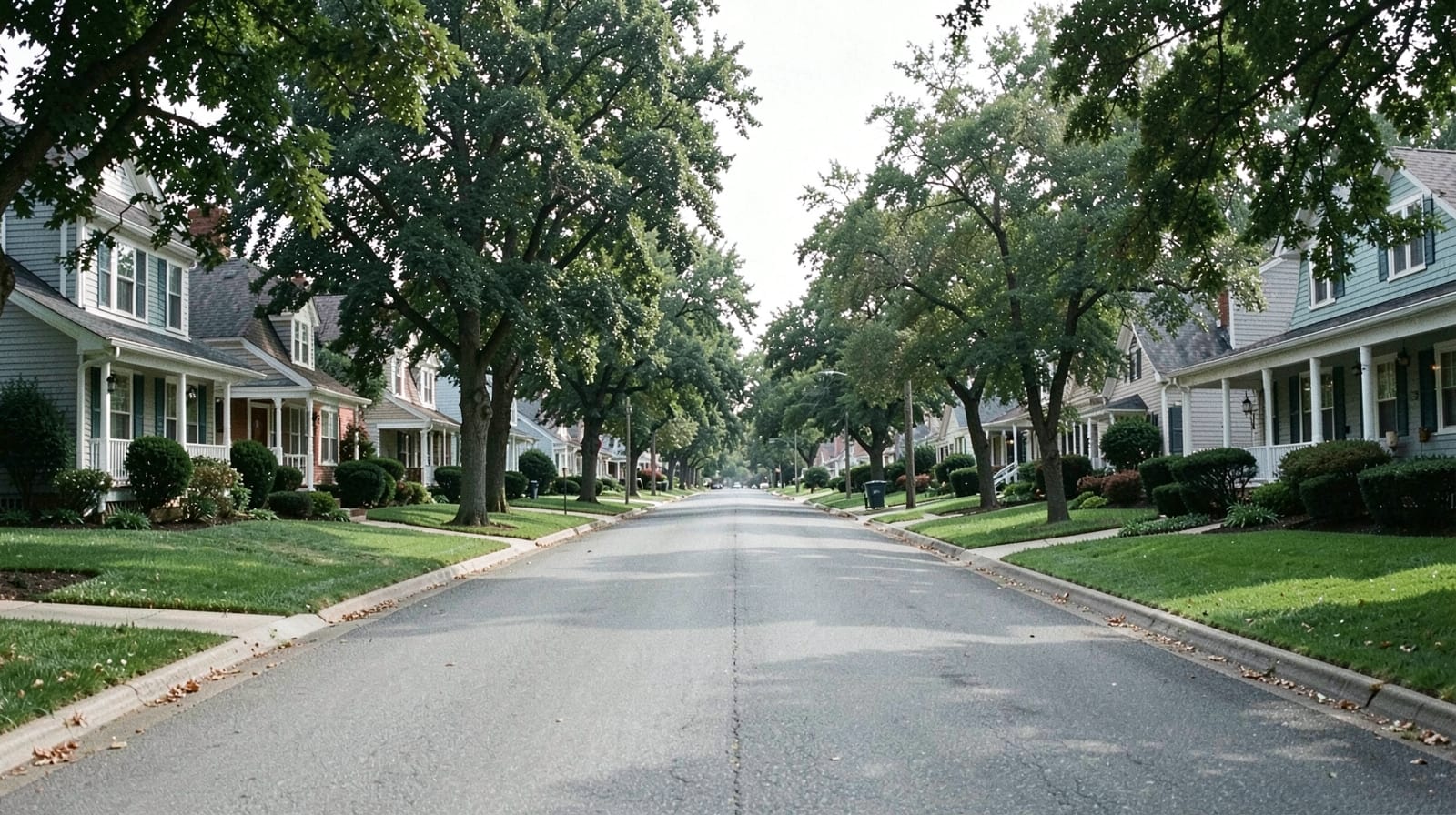
Gutter Cleaning in Smithfield, NC
gutter cleaning for Smithfield, NC properties — Smithfield is the Johnston County seat, about 12 miles southeast of Clayton, anchored by a historic downtown commercial district along the Neuse River.
Gutter cleaning in Smithfield, NC works the same way it does anywhere else in the Clayton coverage area — same scheduling, same pricing basis. Smithfield is the Johnston County seat, about 12 miles southeast of Clayton, anchored by a historic downtown commercial district along the Neuse River.
Why gutter cleaning comes up in Smithfield
Smithfield’s historic downtown along the Neuse River sits in a low-lying commercial corridor where heavy rainfall during hurricane season, June through November, quickly overwhelms gutters. The flat terrain and dense building stock in the area slow natural drainage, so debris like leaves and silt from nearby trees and riverbanks clogs gutters faster than in higher or more open areas. When intense storms hit, the blocked gutters cause water to overflow, increasing erosion risk around foundations and sidewalks, a common issue crews in the area typically address by clearing downspouts and ensuring proper flow away from structures.
We also handle Princeton, NC and Coats, NC for Clayton properties.
What the work involves, step by step
Roofline and gutter walkthrough. A visual pass along the roofline identifies sagging sections, separated seams, and downspouts already showing signs of a clog before any debris is touched, so the scope of the job is set from what's actually on the house rather than assumed from the ground.
Hand removal of debris. Leaves, seed pods, and shingle grit are cleared from the trough by hand or with a small scoop, working toward the downspout outlets rather than away from them, so loosened material doesn't get pushed further into a section that's already partly blocked.
Downspout flush test. Water is run through each downspout from the top after the trough is clear, confirming it exits freely at the bottom instead of backing up — the step that actually proves the system works, since a clean trough with a blocked downspout still overflows in the next storm.
Hardware and fastener check. Loose brackets, pulled spikes, and separating end caps are noted while the crew is already at the gutter line, because hardware that's failing is far cheaper to flag during a routine cleaning than to discover later as a section pulling away from the fascia.
Rinse-down and photo documentation. The exterior of the gutter and the roofline are rinsed of dust kicked up during the clean, and photos of the cleared trough and hardware condition are typically kept on file as a record of what was found and cleared, not for the appearance of the job.
How to tell the work is needed in Smithfield
A clogged gutter usually announces itself before anyone climbs a ladder to check. Water visibly pouring over the front edge during a storm, rather than draining down through the downspout, is the clearest sign, and it shows up the same way whether the blockage is light or heavy. Weeds, grass, or even small tree seedlings growing directly out of the trough mean there's enough decomposed debris sitting in there to support plant growth — a longer-term buildup than a single season's leaf drop.
A section that visibly sags or has started pulling away from the fascia board is usually carrying more standing water and packed debris than it was ever built to hold. Dark streaks running down the siding directly below a section of gutter point to water overflowing at that exact spot, which is also usually where the clog is sitting. And a nest — birds, wasps, small rodents — inside the trough is a fairly reliable sign the gutter hasn't been touched in a while, since routine cleaning disturbs it too often for a nest to take hold.
What goes wrong when the work is done badly
Pushing debris further into the downspout. Clearing the trough by working away from the downspout instead of toward it can shove loosened leaves and grit deeper into the downspout opening, turning a surface clean into a hidden clog that only shows up the next time it rains heavily.
Ladder placement damaging the gutter. Resting a ladder directly against the gutter edge instead of the fascia or roofline behind it puts the ladder's full weight on a component that isn't built to bear it, and a bent or pulled-away section is a common result of an otherwise careful cleaning visit.
Missing hidden fastener failure. A quick visual pass from the ground can miss a hanger that's already pulled loose behind a full trough of debris, since the sagging section only becomes visible once the weight of the debris is gone — which is why a hands-on hardware check while at the gutter line matters.
What keeps the problem from coming back
How often gutters need clearing again comes down almost entirely to what's dropping into them and how quickly water actually gets carried away once it's in there. Tree branches that overhang the roofline directly — not just branches touching the house — drop leaves, seed pods, and twigs straight into the trough below them, so trimming those back specifically has a bigger effect on recurrence than trimming any other branch on the property. The right schedule also depends on what's actually overhead: a property under heavy pine or leaf canopy may genuinely need clearing more than twice a year, while a property with little overhanging growth might only need it once, and matching the schedule to that reality works better than a generic seasonal default.
A quick check after any storm with high wind, even without much rain, catches debris that arrives all at once rather than gradually. And keeping the downspout extension clear, unburied, and pointed away from the foundation matters just as much as the trough itself, since a blocked extension undoes much of the benefit of a clean gutter above it.
What the work costs around Smithfield
25 per linear foot. That figure covers a standard cleaning visit on a single-story home with a typical debris load. The extra ladder work and safety setup on a two-story home typically add 25-40% to the price.
Rather than a quote or an offer, this is a snapshot of what this type of job tends to cost in the broader market — the real number for any specific job depends on its scope and the provider hired. A specific job can land anywhere in this range depending on its scope and who is hired, so comparing a couple of local quotes remains the most reliable way to narrow it down. Source: Angi / HomeGuide, 2026.
How to choose who does the work in Smithfield
Does the estimate include downspout clearing, or only the gutter troughs? Downspouts clog too, and a price that excludes them isn't a full job. Is the quote based on linear footage, or a flat per-visit price regardless of house size? Linear-footage pricing scales fairly with roof size; flat pricing can undercharge or overcharge depending on the home. Does the visit include noting damage (sagging, separated seams, rust) while cleaning, or only debris removal? A cleaning-only visit can miss damage that gets more expensive to fix later. Is a written scope specifying story count and any steep-roof add-ons provided before the work starts? Multi-story and steep-pitch jobs often carry a higher price that should be disclosed upfront, not added afterward. Does the state or local jurisdiction require any license for gutter cleaning? Requirements vary by state, and it is worth confirming directly rather than assuming. What happens to the debris removed — is it hauled away or left on the property? Debris disposal is sometimes billed as a separate line item.
A single flat number with no mention of linear footage, story count, or downspouts. Gutter jobs vary enormously by house size, and a price with no scope behind it is hard to verify or compare. A price that seems unusually low compared to every other bid for the same house. An unusually low bid sometimes means downspouts, debris haul-away, or a damage check are quietly excluded. No description of how debris is disposed of. Bagged debris left on the property versus hauled away is a real cost difference that should be stated upfront. Reluctance to put the scope of work in writing. A written scope is the main protection if there is a dispute about what was promised.
Services covered in Smithfield, NC
Work booked through this page in Smithfield covers Gutter Guard Installation, Gutter Replacement, Gutter Foam Insert Installation, Stone Veneer Gutter Flashing, Salt Corrosion Gutter Treatment, Vinyl Gutter Installation, and 30 other services listed on the services page.
Smithfield sits inside the standard coverage area, so a quote for gutter cleaning follows the same process as everywhere else.
See Ice Dam Removal for more, or take a look at everything Clayton homeowners can book with us at a glance for our complete lineup.
Serving Smithfield, NC
Gutter Cleaning Services in Smithfield, NC
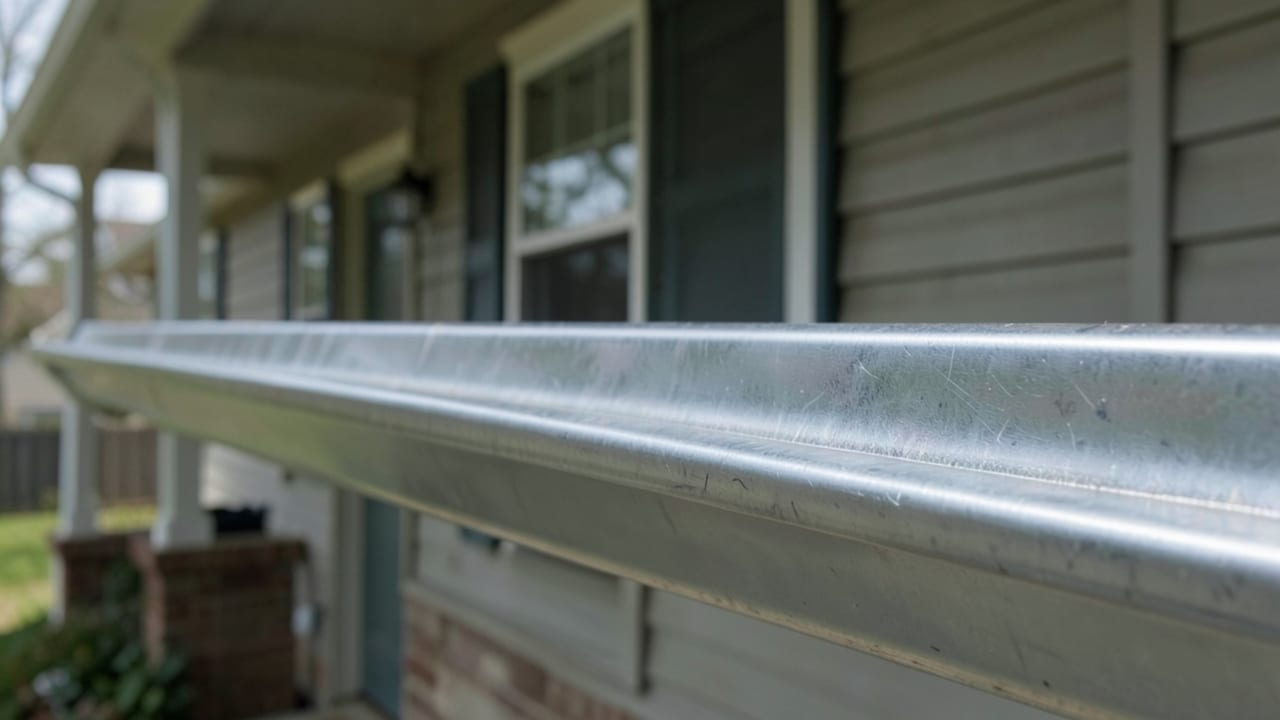
Gutter End Cap Repair in Smithfield, NC
Gutter End Cap Repair for Smithfield, NC properties — Smithfield is the Johnston County seat, about 12 miles southeast of Clayton, anchored by a historic downtown commercial district along the Neuse River.
Learn More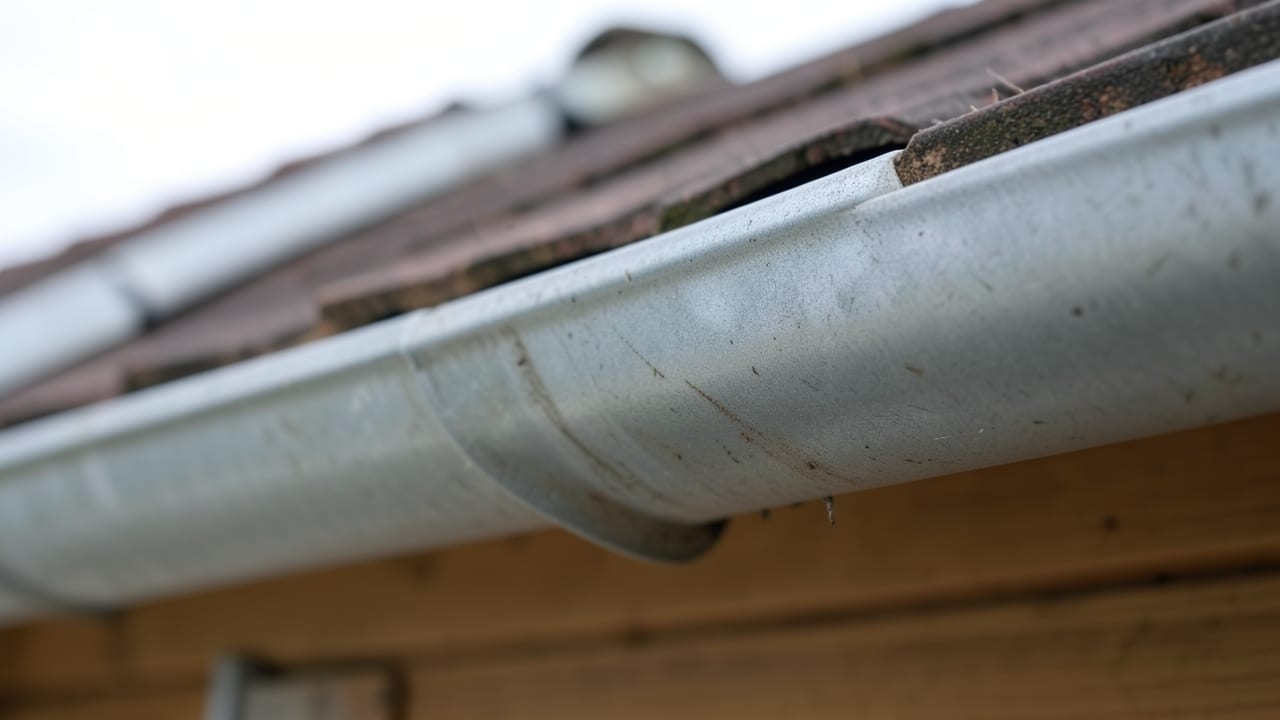
Gutter Seam Sealing in Smithfield, NC
Gutter Seam Sealing for Smithfield, NC properties — Smithfield is the Johnston County seat, about 12 miles southeast of Clayton, anchored by a historic downtown commercial district along the Neuse River.
Learn MoreConcrete Downspout Base Repair in Smithfield, NC
Concrete Downspout Base Repair for Smithfield, NC properties — Smithfield is the Johnston County seat, about 12 miles southeast of Clayton, anchored by a historic downtown commercial district along the Neuse River.
Learn MoreVinyl Siding Gutter Interface Sealing in Smithfield, NC
Vinyl Siding Gutter Interface Sealing for Smithfield, NC properties — Smithfield is the Johnston County seat, about 12 miles southeast of Clayton, anchored by a historic downtown commercial district along the Neuse River.
Learn More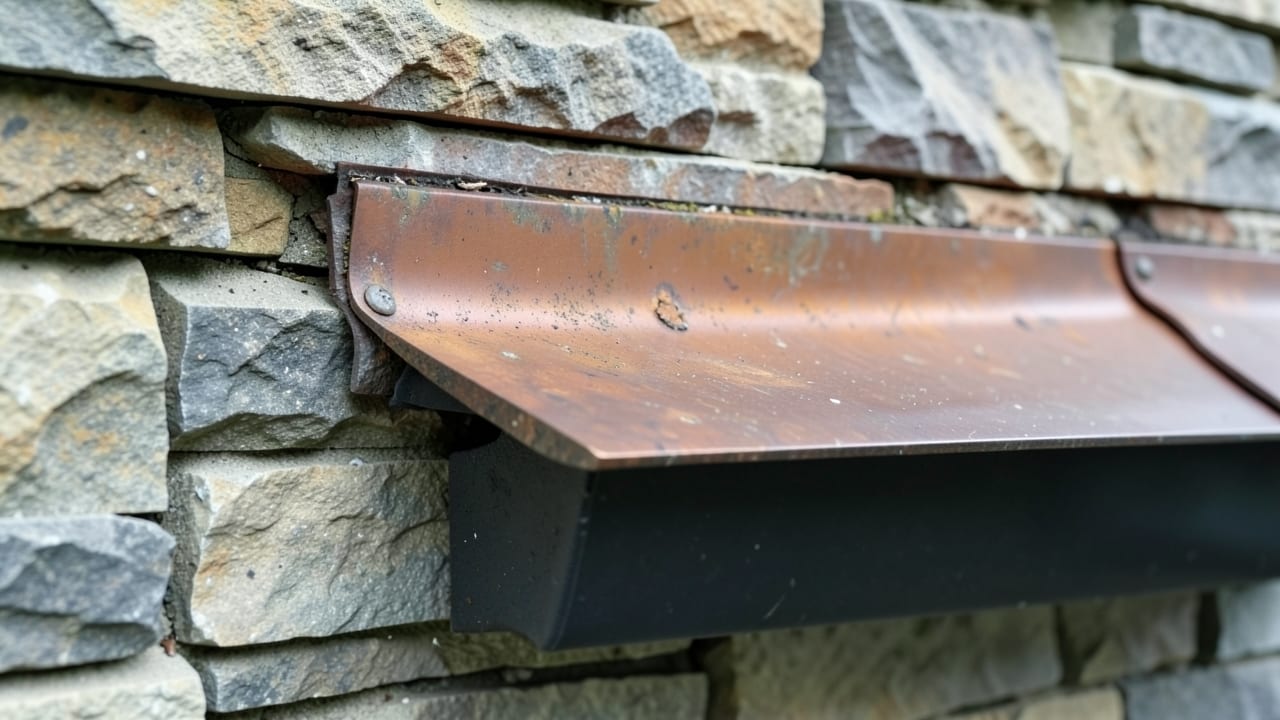
Stone Veneer Gutter Flashing in Smithfield, NC
Stone Veneer Gutter Flashing for Smithfield, NC properties — Smithfield is the Johnston County seat, about 12 miles southeast of Clayton, anchored by a historic downtown commercial district along the Neuse River.
Learn MoreFabric Gutter Guard Cleaning in Smithfield, NC
Fabric Gutter Guard Cleaning for Smithfield, NC properties — Smithfield is the Johnston County seat, about 12 miles southeast of Clayton, anchored by a historic downtown commercial district along the Neuse River.
Learn MoreOther Areas We Cover
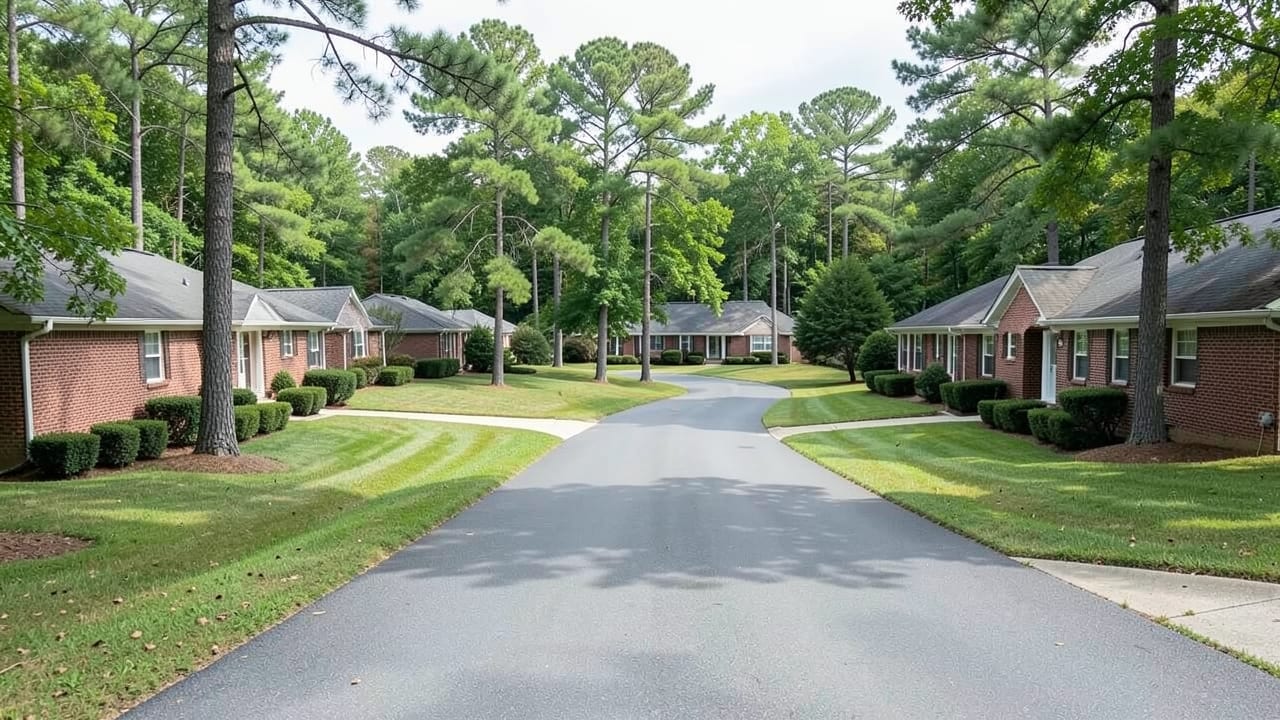
Gutter Cleaning in Princeton, NC
gutter cleaning for Princeton, NC properties — Princeton is a nearby community roughly 20.7 miles southeast of Clayton..
Learn More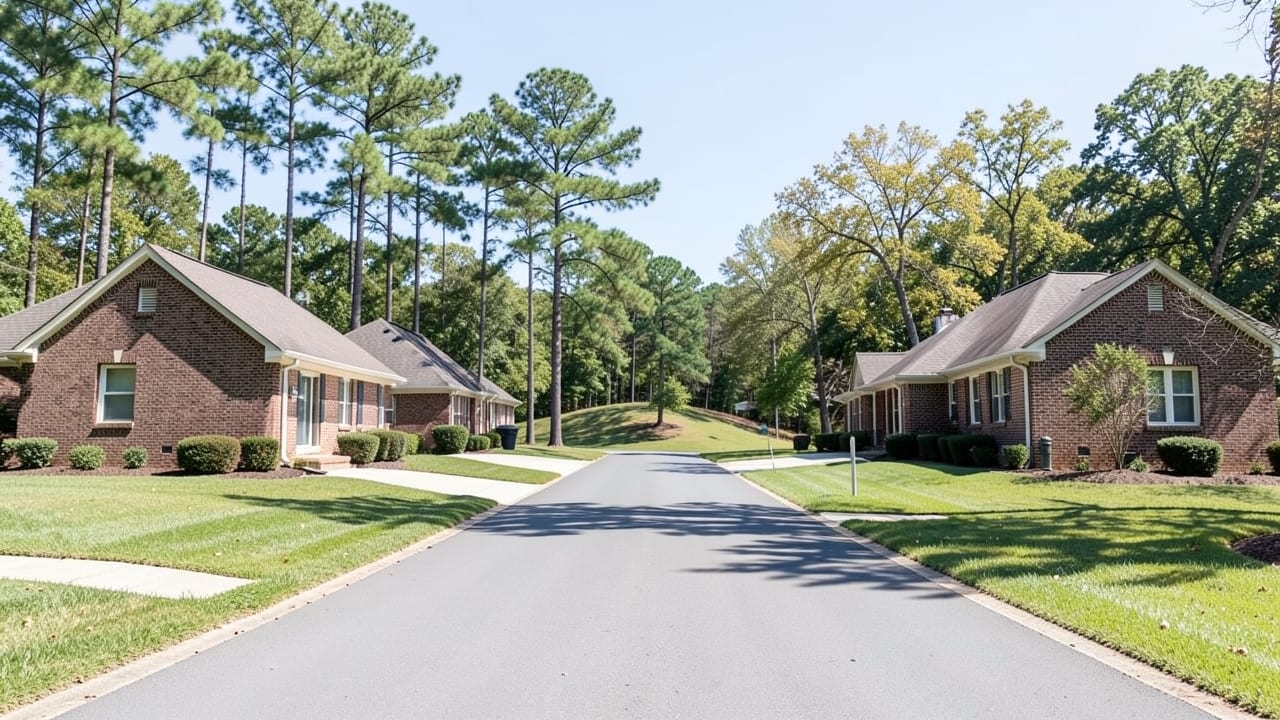
Gutter Cleaning in Coats, NC
gutter cleaning for Coats, NC properties — Coats is a nearby community roughly 21.5 miles southwest of Clayton..
Learn More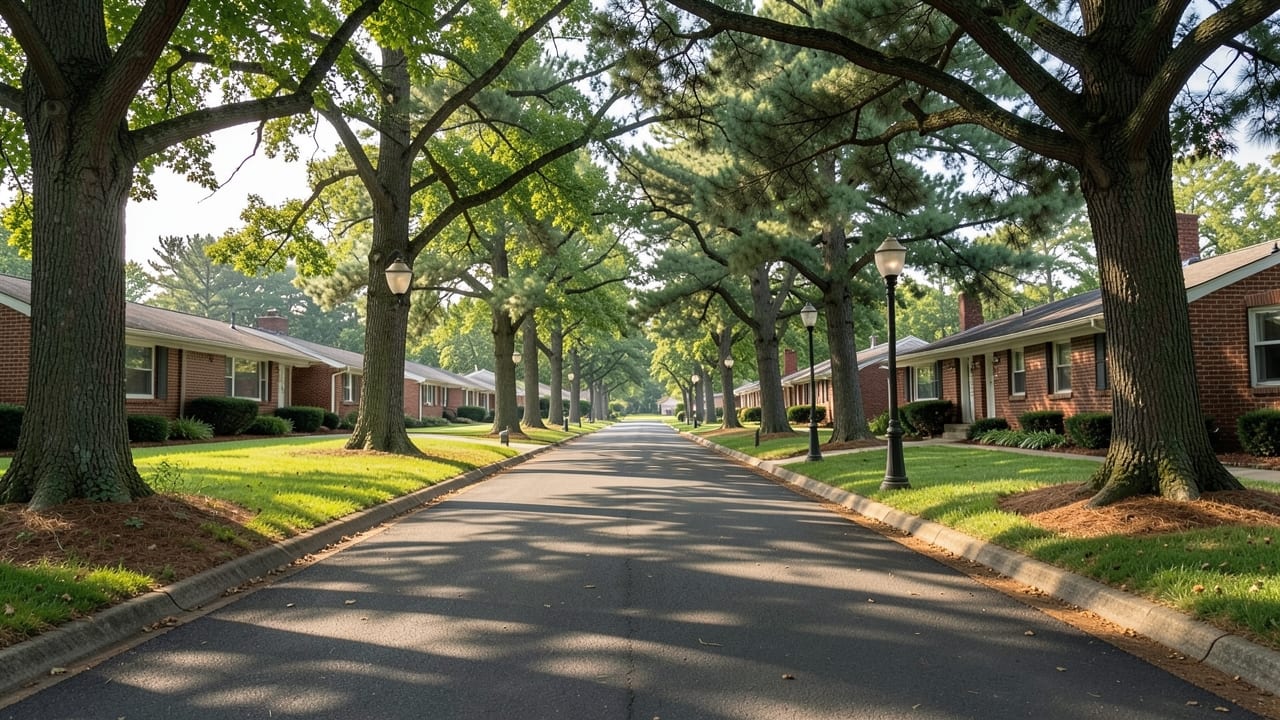
Gutter Cleaning in Wake Forest, NC
gutter cleaning for Wake Forest, NC properties — Wake Forest is a nearby community roughly 21.5 miles north of Clayton. Wake Forest is a town in Wake and Franklin counties in the U.S. state of North Carolina..
Learn More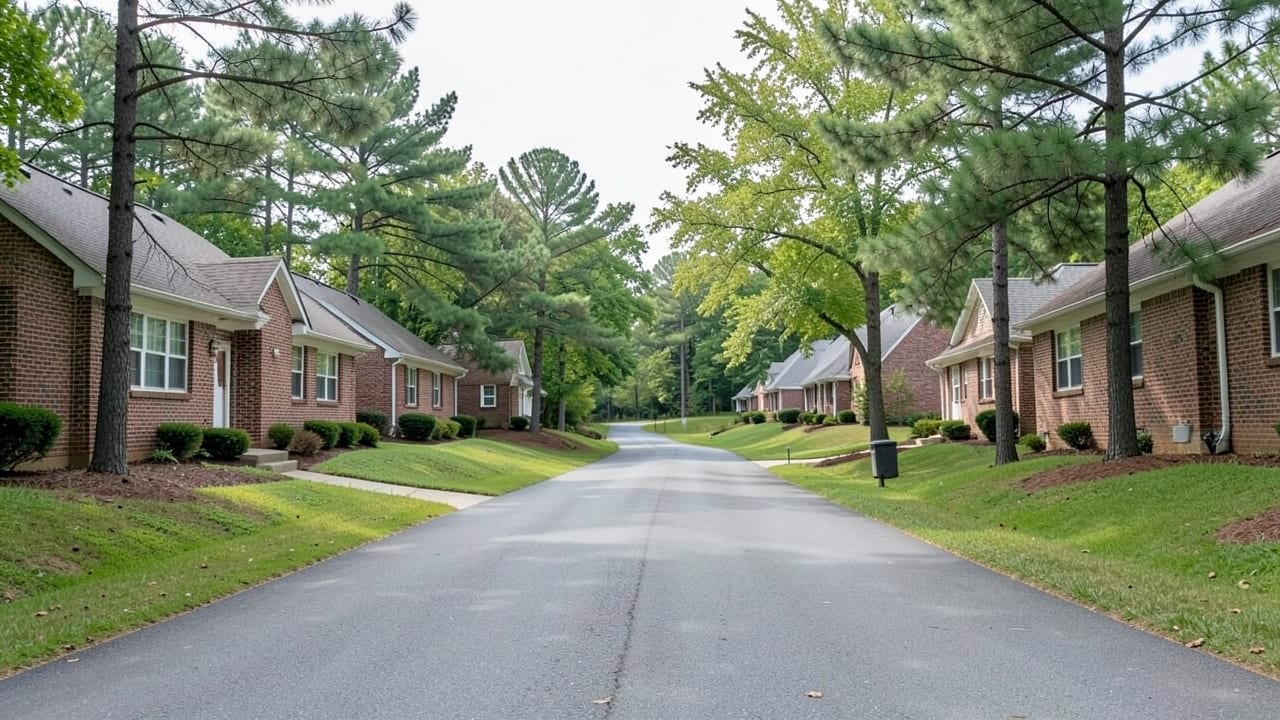
Gutter Cleaning in Holly Springs, NC
gutter cleaning for Holly Springs, NC properties — Holly Springs is a nearby community roughly 22.2 miles west of Clayton..
Learn More
Gutter Cleaning in Sims, NC
gutter cleaning for Sims, NC properties — Sims is a nearby community roughly 22.7 miles east of Clayton..
Learn More
Gutter Cleaning in Cary, NC
gutter cleaning for Cary, NC properties — Cary is a nearby community roughly 22.8 miles west of Clayton..
Learn MoreCommon Questions About Gutter Cleaning in Smithfield, NC
Everything you need to know about gutter cleaning services in Smithfield, NC
How much does gutter cleaning typically cost in Smithfield, NC?
Should gutters in Smithfield, NC be checked after a hailstorm?
Can gutters be cleaned safely from the roof instead of a ladder?
Can standing water in clogged gutters attract pests?
How often do gutters actually need to be cleaned?
Do gutter guards eliminate the need for cleaning?
Need Gutter Cleaning in Clayton?
Get a written quote from our Clayton crew.
⏰ We answer your call • Serving all of Clayton and surrounding areas