Avoid Costly Repairs: Essential Winter Gutter Prep for Clayton Property Owners
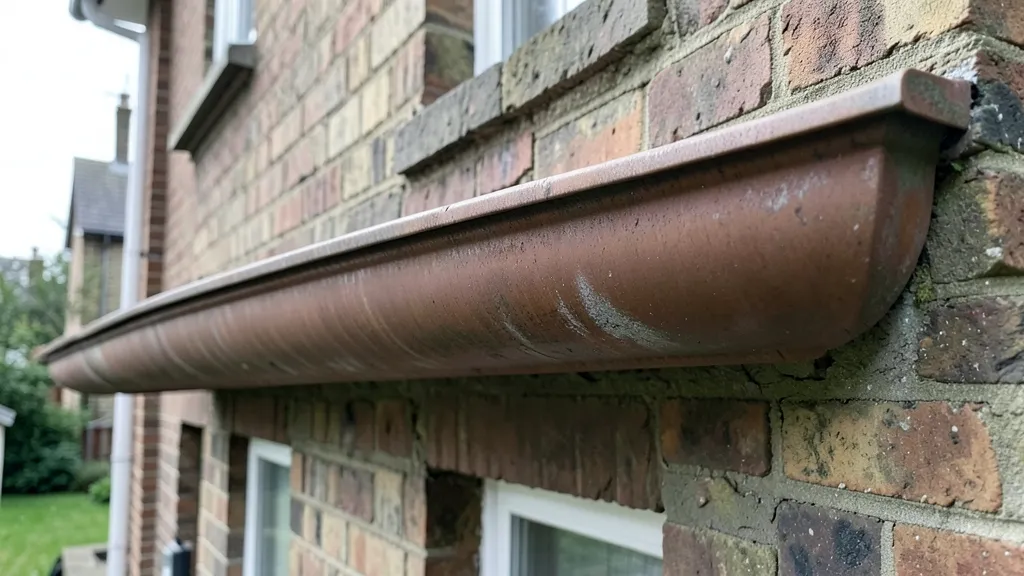
Winter in Clayton brings freezing temps, heavy rain, and the occasional ice storm—all of which test your gutter system like nothing else. Without proper prep, clogged or damaged gutters can lead to ice dams, roof leaks, and even foundation issues. We’ve seen it firsthand, and we’re here to help you avoid it.
Why Winter Gutter Prep Matters in Our Climate
Clayton’s mild falls often leave behind a mix of pine needles, oak leaves, and seed pods—perfect for clogging gutters before winter hits. When temperatures drop, trapped debris holds moisture, which freezes and expands, warping or cracking your gutters.
Ice dams are another major risk. When gutters are clogged, melting snow can’t drain properly. It refreezes at the roof edge, forcing water back under shingles and into your home. The result? Costly roof and interior damage.
Once ice forms, cleaning gutters becomes dangerous and often ineffective. Schedule prep in late fall, before the first hard frost.
Signs Your Gutters Need Attention Before Winter
Sagging sections, rust spots, or peeling paint on your gutters are red flags. These often signal trapped water or excessive weight from debris buildup.
Check for gaps at the seams or between the gutter and fascia. Even small separations can lead to leaks that worsen under winter stress.
Downspouts should direct water at least 5–10 feet from your foundation. If they’re clogged or improperly positioned, you risk basement flooding or erosion.
Gutter Cleaning vs. Gutter Guards: What’s Best for Clayton Homes?
Regular gutter cleaning is non-negotiable for most homes, especially those surrounded by mature trees in neighborhoods like Riverwood or The Preserve. It removes debris that guards can’t always block.
Gutter guards, however, reduce maintenance by keeping larger debris out while allowing water to flow. They’re ideal for properties with heavy leaf fall or hard-to-reach roofs.
| Factor | Gutter Cleaning | Gutter Guards |
|---|---|---|
| Upfront Effort | Required 1–2 times per year | Installation is a one-time task |
| Ongoing Maintenance | Regular cleanings needed | Minimal; occasional checks for small debris |
| Effectiveness Against Pine Needles | Removes all debris | Some types struggle with fine needles |
| Cost Over Time | Lower initial cost, recurring service fees | Higher upfront, lower long-term maintenance |
| Best For | Homes with light debris or budget constraints | Homes with heavy foliage or hard-to-access roofs |
Critical Areas to Inspect Before Winter
Start at the roof line. Look for damaged or missing shingles, as these can accelerate gutter wear. Also, check for proper gutter slope—water should flow toward downspouts, not pool in sections.
Inspect the fascia and soffits for rot or water stains. These often indicate long-term gutter issues that need addressing before winter exacerbates them.
Don’t forget the downspouts. Ensure they’re securely attached and free of obstructions. In areas like Garner or Smithfield, where runoff can be heavy, extensions are a must to direct water away from the home.
Pre-Winter Gutter Inspection Checklist
- Clear all debris from gutters and downspouts
- Check for rust, cracks, or separations in gutter sections
- Verify proper slope (¼ inch per 10 feet is ideal)
- Test downspout flow with a hose
- Inspect fascia and soffits for water damage
- Ensure downspout extensions direct water 5+ feet from the foundation
Common Winter Gutter Problems—and How to Fix Them
Ice dams are the biggest winter threat. Prevent them by ensuring attic insulation and ventilation are adequate. If dams form, safely remove snow from the roof edge with a roof rake—never chip at the ice.
Frozen downspouts can cause backups. If you notice ice forming, use a heat tape or cable to melt the blockage. Avoid salt or chemical melts, as they can corrode gutters over time.
Sagging gutters often result from ice weight or clogged debris. Reinforce with additional hangers or brackets, spaced no more than 24 inches apart for standard gutters.
For single-story homes with minimal debris, DIY cleaning may suffice. But for steep roofs, multi-story homes, or heavy buildup, call our team. Safety and thoroughness matter most.
Long-Term Solutions to Reduce Winter Gutter Stress
Gutter guards are a game-changer for homes in Archer Lodge or Wilson’s Mills, where tree coverage is dense. Mesh or reverse-curve guards work best for fine debris like pine needles.
Resealing and resloping gutters can prevent leaks and pooling. Over time, gutters can shift, especially after storms. A professional can adjust the pitch to ensure proper drainage.
Consider upgrading to larger or more durable gutters if you frequently deal with overflow. Copper or aluminum gutters hold up better in freezing conditions than vinyl.
When to Call in the Pros
If your gutters are already sagging, leaking, or pulling away from the roof, DIY fixes may not cut it. Our team can assess whether repairs or a full replacement are needed.
For commercial properties or large homes in Selma or Smithfield, professional cleaning and maintenance ensure compliance with local codes and prevent liability issues from water damage.
After major storms, a roof and gutter inspection can catch hidden damage. We often find issues like bent downspouts or loose hangers that homeowners overlook.
How to Safely Clean Your Gutters Before Winter
If you’re tackling gutter cleaning yourself, follow these steps to do it safely and effectively.
- 1Gather the Right Tools
Use a sturdy ladder, gloves, a gutter scoop or trowel, and a bucket with a hook to hang it on the ladder. A hose with a spray nozzle helps flush remaining debris.
- 2Start at the Downspout
Work from the downspout outward to avoid pushing debris into already-cleaned sections. Remove large clumps by hand, then scoop out finer material.
- 3Flush the Gutters
After clearing debris, use a hose to flush the gutters toward the downspout. Check for proper drainage and look for leaks or blockages.
- 4Inspect for Damage
As you clean, note any rust, cracks, or loose hangers. These will need repair before winter. Pay special attention to seams and end caps.
- 5Test Downspouts
Run water through each downspout to ensure it drains freely. If water backs up, use a plumber’s snake or pressure washer to clear the clog.
Frequently Asked Questions
How often should I clean my gutters in Clayton?
Most homes need gutter cleaning twice a year—once in late fall and again in spring. If you have heavy tree coverage, like in Riverwood or The Preserve, consider a mid-fall cleaning as well to stay ahead of leaf drop.
Can gutter guards eliminate the need for cleaning?
No, but they significantly reduce the frequency. Guards keep out large debris, but fine particles like pine needles or shingle grit can still accumulate. Plan to check and clean guards annually.
What’s a good way to prevent ice dams in Clayton’s winters?
Start with proper attic insulation and ventilation to keep roof temperatures even. Ensure gutters are clean and sloped correctly, and consider heat cables for problem areas. Removing snow from the roof edge after storms also helps.
Are there specific gutter issues common to older homes in Clayton?
Yes. Older homes often have undersized or improperly sloped gutters, leading to overflow. Wooden fascia and soffits in historic properties are also more prone to rot if gutters leak or overflow consistently.
Do I need to clean gutters if my home has a metal roof?
Absolutely. Metal roofs shed leaves and debris quickly, but that debris still collects in gutters. In fact, the smooth surface can accelerate water flow, making clogged gutters even more problematic during heavy rains or snowmelt.
How can I tell if my downspouts are clogged?
If water overflows from the top of the downspout during rain or when you test it with a hose, there’s likely a clog. You may also notice water pooling at the base of the downspout or erosion in the surrounding soil.