Why Your Gutters Still Overflow After Cleaning in Clayton
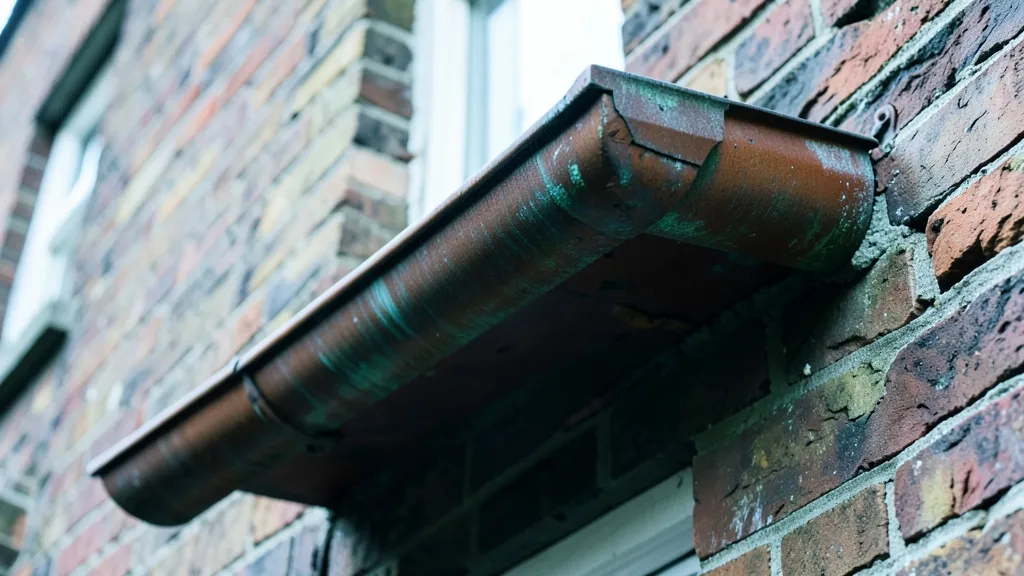
You just had your gutters cleaned, but the next rainstorm sends water cascading over the edges. It’s frustrating—and it’s not uncommon. We see this often in Clayton, especially after heavy downpours or when seasonal debris like oak tassels or pine needles lingers. The issue usually isn’t the cleaning itself, but what’s hidden beneath the surface.
Improper Gutter Pitch Is the Silent Culprit
Gutters need a slight slope—about 1/4 inch per 10 feet—to guide water toward downspouts. If they’re level or sagging, water pools and eventually spills over, even if the troughs are spotless.
We often find sections near Garner or Archer Lodge where DIY installations missed this critical detail. Over time, even professional systems can shift due to fascia rot or loose hangers.
Downspouts Are Clogged Below the Surface
Clean gutters won’t help if downspouts are blocked where you can’t see. Leaves, seed pods, or even tennis balls from nearby courts can lodge in elbows or underground drains.
In older Clayton neighborhoods, downspouts sometimes drain into buried pipes that collapse or fill with sediment. A thorough inspection includes flushing these lines.
If water backs up during a test with a hose, the clog is likely in the downspout or drain pipe. Never ignore this—it can lead to foundation damage.
Your Gutters Are Undersized for the Roof
Clayton’s larger homes, especially those with steep roofs or expansive shingles, often have gutters that are too narrow. Standard 5-inch K-style gutters may not handle the volume during a cloudburst.
Upgrading to 6-inch gutters or adding more downspouts can resolve chronic overflow. We assess roof square footage and local rainfall data to recommend the right capacity.
| Gutter Width | Max Roof Area (sq ft) | Downspout Recommendation |
|---|---|---|
| 5-inch K-style | Up to 5,500 | 1 downspout per 20-30 ft |
| 6-inch K-style | 5,500–7,900 | 1 downspout per 30-40 ft |
| 7-inch (or larger) | 8,000+ | 1 downspout per 40 ft + additional for valleys |
Gutter Guards Can Create New Problems
Not all gutter protection is created equal. Screen-style guards can trap fine debris like pine needles, while reverse-curve systems may cause water to overshoot in heavy rain.
In areas like Wilson’s Mills, where maple samaras are common, micro-mesh guards often perform best. But even these need occasional maintenance to prevent buildup on top.
If you have guards, check for ‘dams’ of debris on the surface. A quick blow-off with a leaf blower can prevent overflow during the next storm.
Fascia or Roof Issues Are Redirecting Water
Damaged fascia boards can’t support gutters properly, causing sagging and poor drainage. In Clayton’s humid climate, wood fascia is prone to rot if gutters leak or overflow repeatedly.
Another issue: roof valleys dumping water too quickly into a single gutter section. Adding a valley splash guard or an extra downspout can distribute the load.
Seasonal Factors in Clayton You Might Overlook
Spring pollen can coat gutters and downspouts, creating a sticky sludge that traps debris. By summer, poplar and willow seeds clog systems fast—often within weeks of a cleaning.
Winter brings ice dams in shaded areas, like north-facing roofs in Selma. These block water flow, forcing it over the gutter edges. Proper attic insulation and ventilation help prevent this.
Seasonal Gutter Checks for Clayton Homes
- Inspect for pollen buildup in late April
- Clear seed pods and blossoms in May–June
- Check for ice dams after freezing rain
- Test downspout flow before hurricane season
DIY Fixes vs. When to Call a Pro
You can often adjust gutter slope yourself with a level and a helper. Reattaching loose hangers or flushing downspouts with a hose are also manageable tasks.
But if the issue involves structural damage, buried drain lines, or seamless gutter repairs, our team’s expertise and equipment ensure a lasting fix. We serve Clayton, Smithfield, and surrounding areas with tailored solutions.
How to Test Your Gutters for Hidden Problems
A simple hose test can reveal why your gutters overflow, even after cleaning.
- 1Clear the Roof First
Use a leaf blower or broom to remove debris from the roof, especially near the gutter line. This prevents false positives during testing.
- 2Run Water from the Highest Point
Start at the farthest end from a downspout and run a hose with moderate pressure. Watch for pooling or slow drainage.
- 3Check Downspout Flow
Have a helper confirm water exits the downspout at ground level. If it trickles or doesn’t flow, there’s a blockage below the gutter.
- 4Inspect for Sagging or Misalignment
Use a level to check gutter slope. If water doesn’t flow toward the downspout, the pitch needs adjustment.
- 5Look for Overflow at Seams or End Caps
Leaks at joints or end caps can reduce capacity. Seal these with gutter-grade silicone if you spot drips.
Frequently Asked Questions
How often should gutters be cleaned in Clayton to prevent overflow?
Most homes need cleaning twice a year—once in late fall after leaf drop and once in early spring. But if you’re in a wooded area like near Archer Lodge, quarterly cleanings may be necessary to handle pine needles and acorns.
Can gutter guards eliminate the need for cleaning entirely?
Even top systems require occasional checks, especially in Clayton’s climate with heavy pollen and seed debris.
Why do my gutters overflow only during heavy rain?
This usually signals undersized gutters or insufficient downspouts. Clayton’s summer thunderstorms can dump 1–2 inches of rain in an hour, overwhelming standard 5-inch gutters on larger roofs.
Is it normal for gutters to overflow in one section only?
No, localized overflow often points to a slope issue, a clogged downspout, or a damaged gutter section. We frequently see this in older homes in Garner where gutters have settled over time.
What’s the most common cause of gutter overflow in Clayton?
Improper pitch and downspout clogs tie for the top spot. Many homes here were built with minimal slope, and downspouts often drain into systems that weren’t designed for modern rainfall intensity.
Can overflowing gutters damage my foundation?
Absolutely. When water spills near the foundation, it can erode soil, crack basements, or lead to moisture issues. This is a major concern in Clayton’s clay-heavy soil, which doesn’t drain quickly.