Stop Gutter Overflow Before the Next Downpour in Clayton
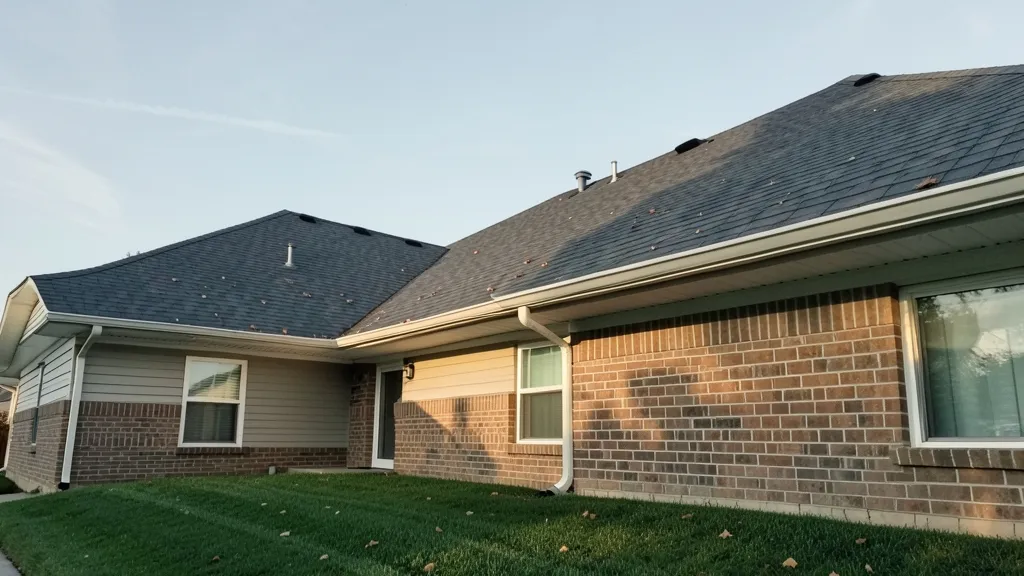
Heavy rainfall in Clayton doesn’t just test your gutters—it exposes weak spots. Overflowing gutters lead to foundation erosion, siding stains, and basement leaks. We’ll show you how to diagnose, fix, and prevent overflow before the next storm hits.
Why Gutters Overflow in Clayton’s Climate
Clayton’s humid subtropical climate means intense, sudden downpours—especially in hurricane season. Gutters not sized for this volume back up fast.
Pine needles from loblolly and longleaf pines, plus oak leaves, create dense clogs that trap water. Even a partial blockage can cause overflow in minutes.
Improper slope is another culprit. Gutters should drop ¼ inch per 10 feet toward downspouts. Flat or reverse slopes pool water, leading to overflow.
Signs Your Gutters Are Failing Under Heavy Rain
Water spilling over the sides like a waterfall during rain is the obvious red flag. But overflow can be subtle—check for dripping behind the fascia.
Erosion or trenches forming below the gutter line means water isn’t being directed away. This often points to clogged or undersized downspouts.
Stains on siding or peeling paint near the roofline are delayed evidence. By the time you see these, water has already damaged the substrate.
Overflow Warning Signs
- Visible water cascading over gutter edges
- Drips or leaks behind the fascia boards
- Erosion or gullies beneath gutters
- Stains or mold on exterior walls
- Sagging or pulling away from the roofline
Common Causes of Gutter Overflow (And How to Spot Them)
Clogged gutters and downspouts are the top offenders. Debris like pine needles, seed pods, and shingle grit builds up, blocking flow. A simple visual check from the ground can confirm this.
Undersized gutters can’t handle Clayton’s rainfall intensity. Standard 5-inch K-style gutters may struggle on large roofs or steep pitches. Upgrading to 6-inch gutters often solves this.
Improperly placed downspouts or too few of them force water to back up. For every 20-30 feet of gutter, you need a downspout. Also, downspouts should extend at least 5 feet from the foundation.
| Cause | How to Identify | Solution |
|---|---|---|
| Clogged gutters | Debris visible in troughs or water pooling | Professional gutter cleaning or gutter guard installation |
| Undersized gutters | Water overflows even when clean | Upgrade to 6-inch gutters or add more downspouts |
| Improper slope | Water pools in sections, doesn’t drain | Reseal and reslope gutters to ¼" per 10 ft |
| Clogged downspouts | Water backs up at downspout entrance | Downspout cleaning or installation of downspout screens |
| Insufficient downspouts | Overflow at seams or far from downspouts | Add downspouts every 20-30 ft |
Immediate Fixes to Stop Overflow During a Storm
If a storm is forecasted and your gutters are clogged, clear the downspouts first. Use a plumber’s snake or hose to flush debris from the top.
For overflowing seams, apply a bead of gutter sealant as a temporary fix. This won’t last long-term but can prevent water damage until a full repair.
Place splash blocks or extend downspouts away from the foundation to redirect water. This buys time if the gutters themselves are overwhelmed.
Never attempt gutter work during a storm or on a wet roof. Wait for dry conditions and use a sturdy ladder with a stabilizer.
Long-Term Solutions to Handle Clayton’s Heavy Rain
Gutter guards are a game-changer for homes surrounded by trees. Micromesh or reverse-curve guards keep debris out while allowing water to flow freely.
Resealing and resloping gutters ensures proper drainage. Over time, gutters can sag or shift, disrupting the pitch. A professional can adjust hangers and reseal seams.
Consider gutter upgrades. Seamless gutters reduce leak points, and larger troughs (6-inch) handle more volume. For commercial properties in Garner or Smithfield, box gutters may be ideal.
In neighborhoods like Archer Lodge or Wilson’s Mills, where mature oaks and pines dominate, gutter guards pay for themselves in reduced cleaning frequency.
Downspout Strategies to Prevent Backup
Downspouts should be at least 2x3 inches for residential gutters. Larger roofs or steep pitches may require 3x4-inch downspouts to handle the volume.
Underground drainage systems or French drains can manage water in areas prone to pooling. These are especially useful for homes in low-lying parts of Clayton.
Downspout extensions should direct water at least 5 feet from the foundation. Use splash blocks or pop-up emitters to prevent erosion and keep water moving away.
When to Call a Pro for Gutter Overflow Issues
If your gutters overflow even after cleaning, the problem may be structural. A professional can assess slope, size, and downspout placement.
Sagging gutters or those pulling away from the roofline often need reinforcement or replacement. DIY fixes here can lead to more damage.
After storm damage, a roof and gutter inspection can identify hidden issues. We often find bent gutters or misaligned downspouts in Selma or Smithfield after heavy winds.
How to Test Your Gutters for Overflow Risk
A simple hose test can reveal potential overflow issues before the next rain.
- 1Clear debris
Remove leaves, twigs, and sediment from gutters and downspouts. Use a trowel or gutter scoop for stubborn buildup.
- 2Check slope
Use a level to ensure gutters slope ¼ inch per 10 feet toward downspouts. Adjust hangers if needed.
- 3Hose test
Run a garden hose at full pressure into the gutter. Water should flow smoothly to downspouts without pooling.
- 4Inspect downspouts
Pour water directly into each downspout. It should exit freely at the bottom. If it backs up, the downspout is clogged.
- 5Watch for leaks
Look for drips at seams or end caps. Mark any problem spots for sealing or repair.
Frequently Asked Questions
How often should I clean my gutters in Clayton to prevent overflow?
Twice a year is the minimum—once in spring and once in fall. But in Clayton, with its heavy tree cover, we recommend cleaning every 3-4 months. After major storms, a quick check is wise.
Can gutter guards completely eliminate the need for cleaning?
No, but they drastically reduce it. Fine debris like pine pollen or shingle grit can still accumulate. We still advise an annual inspection and occasional cleaning, even with guards.
What’s a good gutter material for heavy rainfall in Clayton?
Aluminum gutters are the most popular for their durability and rust resistance. Copper is another excellent choice but comes at a higher cost. Avoid vinyl in areas with extreme temperature swings.
Why do my gutters overflow only during heavy rain?
This usually signals undersized gutters or insufficient downspouts. Clayton’s intense downpours can overwhelm standard systems. Upgrading to 6-inch gutters or adding downspouts often resolves it.
Do I need to worry about gutter overflow in winter?
Yes. Freezing temperatures can create ice dams, which block gutters and cause overflow. Proper insulation and attic ventilation help prevent this. We see this often in older homes in Garner and Wilson’s Mills.
How do I know if my downspouts are the problem?
If water overflows at the top of the downspout or backs up into the gutter, the downspout is likely clogged. Also, check for water spilling out of seams or elbows in the downspout run.