The Top Signs Your Gutters Need Professional Attention in Clayton
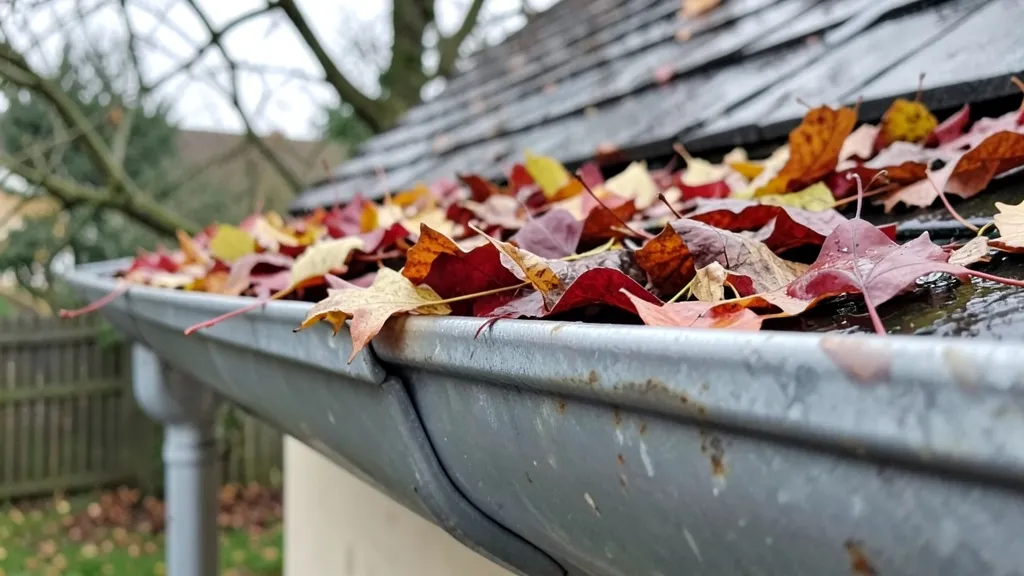
Your gutters work silently to protect your home, but when they fail, the damage spreads fast. In our area’s humid summers and stormy falls, even small gutter issues can escalate into costly problems. Here’s how to spot the red flags before they turn into repairs.
Overflowing Gutters During Rain
If water spills over the sides like a waterfall during even light rain, your gutters are clogged. Leaves, pine needles, and seed pods from Clayton’s oak and pine trees are the usual culprits.
Overflow isn’t just messy—it erodes your foundation and washes out landscaping. Downspout blockages often cause this, especially in older homes with undersized systems.
Consistent overflow can crack your foundation within a year. In our clay-heavy soil, water pools and freezes, worsening the damage.
Sagging or Pulling Away from the Roof
Sagging sections mean your gutters are holding too much weight. Wet leaves and standing water add pounds quickly—especially after a weekend of back-to-back storms.
Check the fascia boards behind the gutter. If they’re rotting or pulling away, the gutters may need resealing or resloping to restore proper pitch.
Visible Rust, Peeling Paint, or Mold Streaks
Rust spots on steel gutters or peeling paint on aluminum signal prolonged moisture exposure. In our humid NC climate, this happens faster than in drier regions.
Black streaks on the gutter’s exterior? That’s mold or mildew from trapped debris. It’s not just ugly—it eats away at your gutter material over time.
| Material | Typical Lifespan | Maintenance Needs |
|---|---|---|
| Aluminum | 20-25 years | Low; resists rust but dents easily |
| Vinyl | 10-15 years | Moderate; cracks in extreme cold |
| Steel (Galvanized) | 15-20 years | High; prone to rust without upkeep |
| Copper | 50+ years | Low; develops protective patina |
Water Pools or Erosion Near the Foundation
Gutters should direct water at least 5–10 feet from your home. If you see puddles or gullies near the base, your downspouts may be clogged or improperly sloped.
This is critical in neighborhoods like Archer Lodge or Wilson’s Mills, where heavy clay soil holds water. Poor drainage leads to basement leaks and cracked driveways.
Adding a 4–6 foot extension to downspouts can prevent erosion. We often install these during routine cleanings in Garner and Smithfield.
Pests or Critters Nesting in Gutters
Mosquitoes, wasps, and even squirrels love clogged gutters. Standing water is a breeding ground, and leaf debris makes cozy nests.
If you hear scratching or see pests near your roofline, it’s time for a cleaning. We’ve pulled out entire wasp nests from gutters in Selma after just one season of neglect.
Ice Dams or Frost Buildup in Winter
Clogged gutters trap melting snow, leading to ice dams that back up under your shingles. This is a growing issue as Clayton’s winters bring more freeze-thaw cycles.
Properly sloped and clean gutters prevent this. Gutter guards can help, but they’re not a substitute for regular cleaning—especially with our heavy leaf fall.
Winter Gutter Prep
- Clear all debris after the last leaves fall
- Check for proper slope (¼ inch per 10 feet)
- Inspect seals and seams for leaks
- Consider temporary heat tape for problem areas
Gutters with Visible Gaps or Separating Seams
Seams that pull apart or gaps at the corners mean your gutters aren’t channeling water correctly. This often happens after heavy storms or if the system was improperly installed.
Small gaps can be resealed, but widespread separation may require a full gutter repair or even replacement. We see this often in older homes in Smithfield and Garner.
When to Call a Pro vs. DIY
If your gutters are two stories up or you’re uncomfortable on a ladder, leave it to us. Safety first—gutter cleaning is one of the most dangerous home maintenance tasks.
For single-story homes, you can DIY with the right tools. But if you spot sagging, rust, or foundation issues, a professional inspection can catch problems early.
How to Inspect Your Gutters for Damage
A quick visual check can reveal most gutter problems before they worsen.
- 1Safety First
Use a sturdy ladder on level ground, or inspect from the ground with binoculars. Never lean the ladder against the gutters themselves.
- 2Check for Standing Water
Look for puddles or damp spots in the gutters. Even small amounts indicate poor drainage or clogs.
- 3Examine the Downspouts
Run a hose into the downspout. If water doesn’t flow out the bottom, there’s a blockage that needs clearing.
- 4Look for Damage
Note any rust, peeling paint, sagging, or gaps. Pay special attention to seams and corners where leaks often start.
- 5Inspect the Ground
Walk around your home’s perimeter. Erosion, puddles, or mold near the foundation are signs of gutter failure.
- 6Test the Flow
During rain, watch where water goes. If it’s not flowing smoothly to the downspouts, your gutters need attention.
Frequently Asked Questions
How often should gutters be cleaned in Clayton?
Twice a year is the minimum—once in spring and once in fall. If you have overhanging trees or live in a wooded area like Archer Lodge, you may need cleaning every 3–4 months.
Can gutter guards eliminate the need for cleaning?
No. Guards reduce debris buildup but don’t stop it completely. Fine particles like pine pollen and shingle grit still accumulate and need flushing. We recommend annual inspections even with guards.
Why do my gutters sag after heavy rain?
Sagging usually means the gutters are holding too much weight from trapped water and debris. It can also indicate failing hangers or improperly spaced supports. In older homes, the fascia may be rotting.
What’s the difference between gutter cleaning and gutter repair?
Cleaning removes debris and ensures proper water flow. Repair addresses structural issues like leaks, sagging, or damaged sections. Sometimes a cleaning reveals the need for repairs.
Do you serve areas outside Clayton?
Yes, our team regularly works in Garner, Smithfield, Selma, Wilson’s Mills, and Archer Lodge. Storm damage often affects wide areas, so we’re equipped to handle calls across the region.
How do I know if my gutters need resealing?
Look for water dripping from seams or corners during rain. You might also see water stains on the fascia or siding directly below the gutter joints. Resealing restores the waterproof barrier.