Separated Gutter Joints: Causes, Risks, and Solutions for Clayton Homeowners
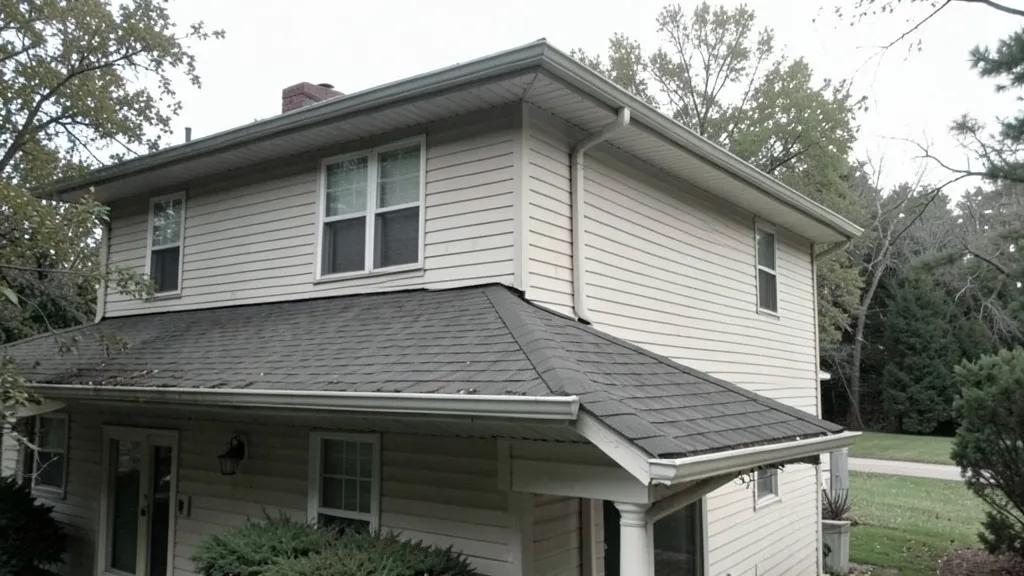
Separated gutter joints are a silent menace to homes in our area, especially after Clayton’s stormy springs and humid summers. Left unchecked, they turn your gutter system into a liability, channeling water exactly where it shouldn’t go—against your fascia, siding, or foundation. We’ve seen the damage firsthand, and the fix is often simpler than homeowners expect.
What Causes Gutter Joints to Separate?
Thermal expansion is the top culprit. Aluminum gutters expand and contract with temperature swings—common in North Carolina’s seasonal shifts—stressing seams over time. Poorly aligned joints from the start only accelerate the problem.
Heavy debris, like oak leaves from Clayton’s mature trees or pine needles from Garner’s wooded lots, adds weight and pulls seams apart. Clogged gutters also trap water, which freezes in winter and forces joints open.
Improper slope or sagging sections increase strain. If water pools near a joint, it erodes sealants faster. Weak hangers or damaged fascia boards can’t support the system, making separation inevitable.
The Hidden Risks of Ignoring Separated Joints
Water spilling at seams rots fascia and soffits, leading to costly repairs. In Clayton’s humid climate, wood damage spreads quickly once moisture gets behind the gutters.
Foundation erosion starts when downspouts fail to direct water away. Separated joints upstream mean water dumps near the roof line, saturating soil and undermining your home’s base over time.
Basement flooding and landscape damage follow. Even in Wilson’s Mills or Smithfield, where soils drain differently, misdirected runoff can carve trenches or drown plant beds.
If you see gaps at the joints, don’t wait for the next storm. A single heavy rain can dump hundreds of gallons where your gutters should protect, not destroy.
Aluminum vs. Vinyl vs. Steel: How Material Affects Joint Failure
Aluminum gutters dominate in our area for their durability and rust resistance. But their expansion rate means seams need high-quality sealants and proper spacing to last.
Vinyl gutters, common in budget installations, become brittle with age. Joints crack under UV exposure and temperature swings, especially in Clayton’s sunny summers.
Steel gutters resist sagging but rust at seams if not galvanized or coated. They’re heavier, so joint failure often stems from hanger fatigue rather than material stress.
| Material | Expansion Rate | Joint Weakness | Best For |
|---|---|---|---|
| Aluminum | High | Sealant failure, thermal stress | Most Clayton homes |
| Vinyl | Moderate | Brittleness, UV degradation | DIY or temporary setups |
| Steel | Low | Rust, hanger strain | High-wind or commercial areas like Selma |
Signs Your Gutter Joints Are Failing
Visible gaps or daylight through the seams are obvious red flags. But smaller signs, like rust streaks or water marks beneath joints, often appear first.
Drips during rain, even light showers, indicate a breach. Listen for a ‘tick-tick’ sound—water hitting separated metal edges instead of flowing smoothly.
Sagging sections or misaligned downspouts often trace back to joint failure. In Archer Lodge, where homes sit on varied terrain, improper pitch can mask joint issues until damage is severe.
Quick Joint Inspection Checklist
- Check for gaps at every seam from the ground (use binoculars)
- Look for rust, peeling paint, or water stains below joints
- Test with a hose: spray water into the gutter and watch for leaks
- Inspect hangers near joints for looseness or detachment
Professional Solutions for Separated Gutter Joints
Resealing is the first line of defense. We use high-grade butyl tape or silicone-based sealants designed for gutters, not generic caulks. The joint must be cleaned, dried, and primed for adhesion to last.
Rivets or screws can reinforce seams, but they must be stainless steel to avoid rust. Over-tightening can warp aluminum, so precision matters.
For chronic issues, we may reseal and reslope the entire run. Proper pitch ensures water flows toward downspouts, reducing stress on joints. This often pairs with hanger reinforcement.
While homeowners can patch small gaps, professional resealing includes inspecting hangers, slope, and downspout alignment—critical for long-term fixes.
When to Consider Gutter Replacement or Upgrades
If joints fail repeatedly, the gutters may be past their lifespan (15–20 years for aluminum). In Clayton, where storms test systems annually, upgrades like seamless gutters eliminate joints entirely.
Adding gutter guards reduces debris buildup, a major cause of joint stress. We install these often in Garner and Smithfield, where tree coverage is dense.
Commercial properties or large homes may need heavier-duty systems. Downspout upgrades or additional outlets prevent overflow that strains seams.
Preventing Future Joint Separation
Regular cleaning removes debris that adds weight and traps moisture. Twice-yearly service—spring and fall—aligns with Clayton’s peak leaf drop and storm seasons.
Inspect after major weather events. Ice dams in winter or high winds can stress joints. Early intervention prevents small gaps from becoming major repairs.
Ensure downspouts extend at least 5 feet from the foundation. Proper drainage reduces the load on the entire system, joints included.
How to Temporarily Seal a Separated Gutter Joint
If you spot a small gap and need a quick fix before professional help arrives, follow these steps to minimize damage.
- 1Clean the Joint
Scrub the seam with a wire brush to remove dirt, old sealant, and rust. Wipe dry with a cloth.
- 2Apply Gutter Sealant
Use a high-quality gutter sealant or butyl tape. Press it firmly into the gap, ensuring full coverage on both sides.
- 3Reinforce with a Screw
For added strength, drive a stainless steel gutter screw through the joint’s overlap. Don’t overtighten.
- 4Test with Water
Run a hose to check for leaks. Reapply sealant if water seeps through.
- 5Monitor and Plan
This is a temporary fix. Schedule a professional inspection to address the root cause, like slope or hanger issues.
Frequently Asked Questions
How long do gutter joint repairs typically last in Clayton’s climate?
Professionally resealed joints can last 5–10 years, depending on material and exposure. Aluminum with quality sealants holds up best, but heavy storms or debris buildup may shorten this. Regular maintenance extends the lifespan.
Can separated joints cause roof leaks?
Indirectly, yes. Water spilling behind gutters can rot fascia and soffits, leading to roof edge leaks. In severe cases, it can even damage shingles or underlayment near the eaves.
Are seamless gutters worth it to avoid joint issues?
For many Clayton homeowners, yes. Seamless gutters eliminate the weakest points—joints—reducing leaks and maintenance. They’re ideal for homes with heavy tree coverage or frequent storms, like those in Archer Lodge or Wilson’s Mills.
What’s the difference between gutter resealing and repair?
Resealing addresses leaks at existing joints with new sealant. Repair may involve replacing damaged sections, reinforcing hangers, or adjusting slope. We often combine both for a lasting solution.
Do gutter guards prevent joint separation?
They reduce debris buildup, a major cause of joint stress, but don’t eliminate thermal expansion or hanger issues. Guards are a preventive measure, not a cure-all.
Should I replace my gutters if multiple joints are failing?
If joints fail repeatedly or the system is old, replacement may be more cost-effective than constant repairs. Factors like material, age, and extent of damage determine the most suitable approach—request a quote for an assessment.