How to Prepare Your Gutters for Summer Thunderstorms in Clayton
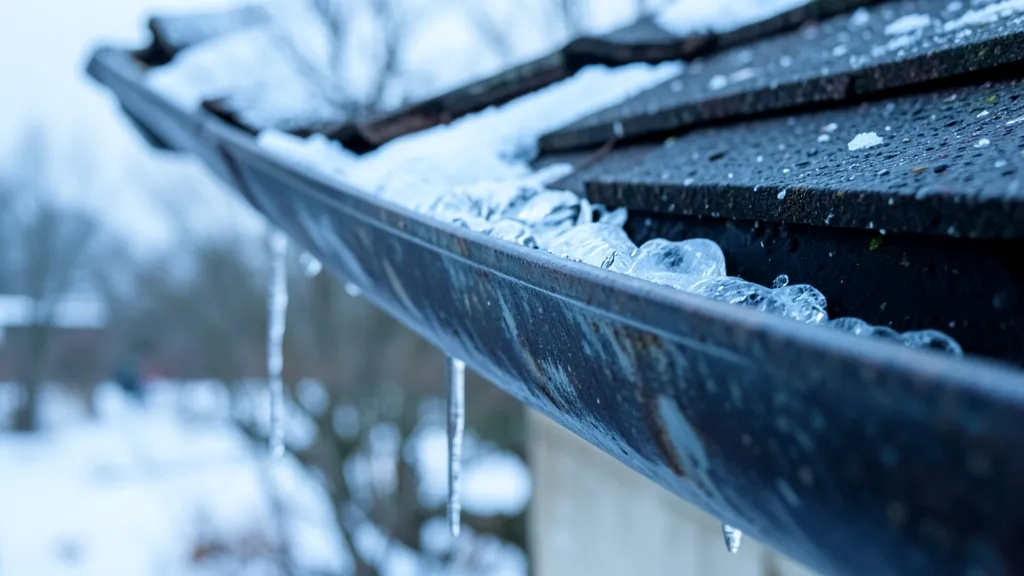
Clayton’s summer thunderstorms dump heavy rain in minutes, and if your gutters aren’t ready, you’re looking at overflow, foundation erosion, or even roof damage. We’ve seen firsthand how a little prep now prevents costly repairs later. Here’s how to stormproof your system before the next downpour hits.
Why Clayton’s Summer Storms Demand Gutter Readiness
Our area’s humid subtropical climate means intense, sudden rain—often 1-3 inches in an hour. Gutters that can’t handle that volume force water against your fascia, soffits, or even into your basement.
Storms here also bring wind-driven debris. Pine needles from the longleaf and loblolly pines, oak leaves, and seed pods clog gutters fast, especially in neighborhoods like Riverwood Athletic Club or The Farm at Riverbend.
Signs Your Gutters Aren’t Storm-Ready
Standing water or sagging sections mean your gutters aren’t pitched correctly or are overloaded. Even a 1/4-inch dip can trap water and debris.
Rust streaks, peeling paint, or water stains on siding signal chronic overflow. Check downspouts too—if water pools at the base, they’re likely clogged or improperly sloped.
During rain, watch for water shooting over the gutters like a waterfall. That’s a sure sign of blockages or insufficient capacity for Clayton’s downpours.
Red Flags to Spot Before Storm Season
- Sagging or pulling away from the roof
- Visible rust, cracks, or holes in the troughs
- Water marks or mildew on exterior walls
- Downspouts discharging too close to the foundation
- Plants or weeds growing in the gutters
Gutter Cleaning: The Non-Negotiable First Step
We always start with a thorough cleaning—by hand or with specialized tools—to remove every leaf, twig, and granule. Pressure washers can damage gutters, so we avoid them unless the system is heavy-duty steel.
Pay special attention to the valleys and end caps, where debris loves to collect. In areas like Garner or Smithfield, maple samaras (those helicopter seeds) are notorious for jamming downspouts.
After clearing, flush the system with a hose to test flow. If water backs up anywhere, there’s still a hidden clog or a slope issue that needs addressing.
Ladder work on two-story homes or steep roofs is dangerous. Improper cleaning can also dislodge gutters or damage shingles. When in doubt, call a pro.
Downspout Deep Dive: The Often-Overlooked Culprit
A clean gutter is useless if the downspouts are clogged. We use a plumber’s snake or high-pressure air to clear stubborn blockages, especially in the elbows where debris gets stuck.
In Clayton, downspouts should extend at least 5 feet from the foundation—10 feet is better for heavy clay soil. Without proper extensions, water pools and erodes the base of your home.
For homes in low-lying areas near the Neuse River, consider adding pop-up emitters or French drains to direct runoff safely away from the property.
Gutter Guards: Worth It for Clayton’s Debris Load?
Gutter guards can cut maintenance by 80%, but they’re not one-size-fits-all. Mesh screens work well for pine needles but may clog with fine shingle grit. Reverse-curve systems shed leaves but can struggle with heavy rain in our storms.
In neighborhoods with dense tree cover—like those near the Clayton River Walk Trail—guards are almost essential. But they still need occasional cleaning, as fine debris can build up on top.
| Type | Best For | Maintenance Level | Storm Performance |
|---|---|---|---|
| Mesh Screens | Pine needles, large leaves | Low-Medium | Good (may clog with fine debris) |
| Reverse Curve | Heavy leaf fall | Low | Fair (can overflow in torrential rain) |
| Brush/Filter | Mixed debris | Medium | Good |
| Foam Inserts | Fine particles, shingle grit | High | Poor (not ideal for heavy rain) |
Reinforcing Weak Points Before the Storm
Loose hangers or missing spikes are storm hazards. We reinforce with heavy-duty hangers every 18-24 inches, especially for aluminum gutters that expand and contract in our heat and humidity.
Seal any gaps at the seams with high-quality silicone or butyl tape. Small leaks worsen under storm pressure, leading to fascia rot or interior water damage.
For older homes in Selma or Wilson’s Mills, we often reseal end caps and miters. Age and temperature swings can crack caulk, and storms will exploit every weakness.
Use a gutter sealant with UV inhibitors. Our NC sun degrades standard caulk faster, leading to premature failures.
Post-Storm Checks to Avoid Long-Term Damage
After every major storm, do a quick visual inspection. Look for dents from hail, bent downspouts, or gutters pulled away from the roof—common in windy conditions.
Clear any new debris immediately. Wet leaves and pine needles compact into a dense mat that’s harder to remove the longer it sits.
If you notice granular loss from your shingles in the gutters, it’s a sign your roof may need attention. Addressing this early prevents leaks that gutters can’t fix.
When to Call in Clayton’s Gutter Pros
If your gutters are sagging, leaking at multiple seams, or overflowing even after cleaning, it’s time for a professional inspection. We often find hidden issues like improper pitch or undersized gutters.
For commercial properties in Archer Lodge or large homes with complex roof lines, professional cleaning and repair ensure safety and thoroughness. Our team uses commercial-grade equipment and follows OSHA guidelines.
We also handle gutter resealing, resloping, and guard installation—services that require specialized tools and expertise to do right.
How to Inspect Your Gutters Before Storm Season
A quick but thorough inspection can reveal problems before they escalate.
- 1Safety First
Use a sturdy, well-placed ladder on level ground. Wear gloves and eye protection—debris and sharp edges are common.
- 2Check for Visible Damage
Walk the perimeter of your home, looking for sagging, rust, cracks, or separated seams. Note any areas where gutters pull away from the fascia.
- 3Test the Slope
Use a level to check gutter pitch. Gutters should drop about 1/4 inch for every 10 feet toward the downspout. If not, water won’t drain properly.
- 4Flush and Observe
Run a hose into the gutters and watch the flow. Water should move smoothly to downspouts without pooling. If it doesn’t, there’s a clog or slope issue.
- 5Inspect Downspouts
Ensure downspouts are securely attached and direct water at least 5 feet from the foundation. Use a hose to test for clogs—water should exit freely at the bottom.
- 6Document and Plan
Take photos of any issues. Prioritize repairs based on severity, and request a quote for professional help if needed.
Frequently Asked Questions
How often should I clean my gutters in Clayton?
Twice a year is the minimum—once in late spring and again in early fall. But with our dense tree cover, many homes need cleaning every 3-4 months, especially if you have overhanging oaks or pines.
Can clogged gutters really damage my foundation?
Absolutely. Overflowing gutters dump thousands of gallons of water near your foundation during a storm. Over time, this erodes soil, causes settling, and can lead to cracks in your basement walls or slab.
Are gutter guards a good investment for homes near Wilson’s Mills?
Yes, especially if your property has mature trees. Guards reduce cleaning frequency and help prevent clogs during heavy leaf drop. Just choose the right type for your debris—mesh works well for pine needles common in that area.
What’s a suitable gutter material for Clayton’s climate?
Aluminum is the most popular—lightweight, rust-proof, and handles our heat and humidity well. Copper is another excellent choice for longevity but comes at a higher cost. Vinyl is budget-friendly but can become brittle in extreme temps.
How do I know if my gutters need to be resloped?
If water pools in sections or doesn’t drain toward downspouts, your pitch is off. Also, look for water stains or erosion directly below standing water in the gutters. A professional can adjust the slope without damaging the system.
Do you offer gutter cleanup after storms in Garner or Smithfield?
Yes, we provide storm damage gutter cleanup to clear debris and prevent water damage after severe weather. It’s a critical service to avoid secondary issues like mold or structural damage.