Why Gutter Slope Matters for Effective Drainage in Clayton
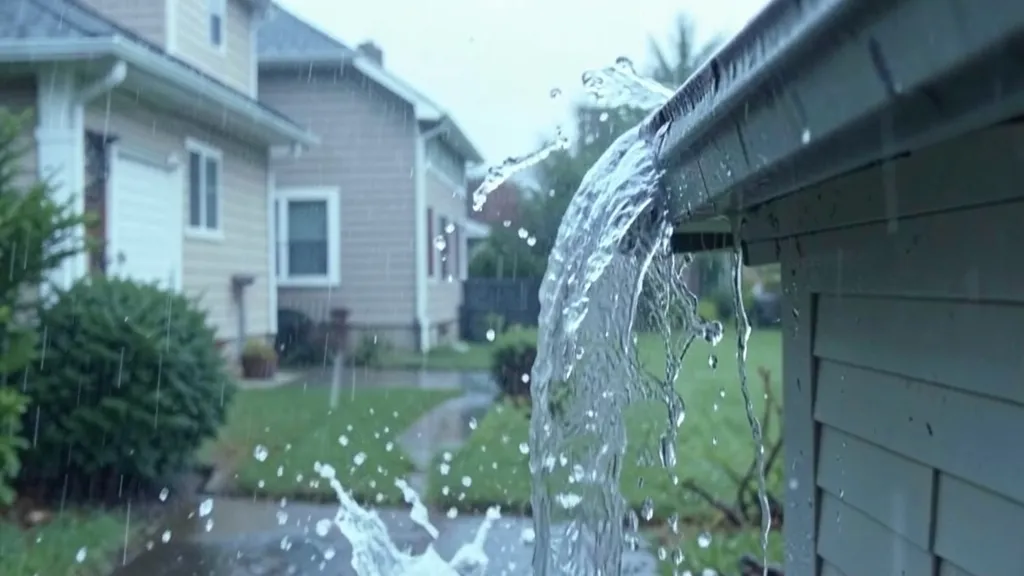
A properly sloped gutter system isn’t just a detail—it’s the difference between a dry home and costly water damage. In our area, where heavy rains and seasonal storms test every roof, even a slight misalignment can lead to overflow, foundation issues, and siding rot. We’ve seen firsthand how the right pitch keeps water moving where it should: away from your home.
What Is Gutter Slope and Why Does It Matter?
Gutter slope, or pitch, is the slight downward angle that directs water toward downspouts. Without it, water pools, debris accumulates, and gutters fail to do their job.
In Clayton’s humid subtropical climate, standing water in gutters becomes a breeding ground for mosquitoes and accelerates rust or corrosion in metal systems. A 1/4-inch drop per 10 feet is the industry standard for residential gutters.
Signs Your Gutters Lack Proper Slope
Standing water in sections of your gutter after rain is the most obvious red flag. If you notice sagging or pulling away from the fascia, improper slope may be straining the hangers.
Overflow during light rain, or water spilling over the back edge, often means the pitch is too shallow—or reversed. In neighborhoods like Archer Lodge or Wilson’s Mills, where tree coverage is dense, slope issues compound with debris.
Water dripping behind the gutter can damage soffits and fascia boards. If left unchecked, this can lead to costly repairs beyond just gutter resloping.
How Slope Affects Downspout Performance
Even with perfect slope, clogged downspouts can render the entire system useless. We often pair gutter resloping with downspout cleaning to ensure water flows freely to the ground.
In commercial properties around Smithfield or Selma, larger gutters and steeper slopes are sometimes needed to handle greater runoff from expansive roofs.
Gutter Slope vs. Material: What Works Best
Different gutter materials handle slope differently. Aluminum and vinyl are lightweight and easy to adjust, while copper and steel require precise installation to maintain pitch over time.
Seamless gutters, popular in Garner and Clayton, reduce leakage but still need proper slope to prevent water from sitting at seams or joints.
| Material | Slope Adjustability | Durability Impact |
|---|---|---|
| Aluminum | High (easy to reseal and reslope) | Low corrosion risk; holds pitch well |
| Vinyl | Moderate (can warp in heat) | May sag if slope is too steep |
| Copper | Low (requires professional resloping) | Long-lasting; maintains pitch if installed correctly |
| Steel | Moderate (heavier, needs sturdy hangers) | Strong but prone to rust if water pools |
Common Causes of Poor Gutter Slope
Improper installation is the top culprit. DIY jobs or rushed installations often overlook the need for consistent pitch across the entire run.
Settling foundations, especially in older homes in Clayton, can shift gutters out of alignment. Heavy debris, like pine needles from local trees, can also weigh down sections, disrupting slope.
After heavy storms, inspect your gutters for standing water or sagging. Early adjustments prevent long-term damage.
How We Fix Slope Issues: Resealing and Resloping
Gutter resealing addresses leaks at joints, but resloping tackles the root of drainage problems. We use laser levels to ensure a consistent pitch across the entire gutter run.
For homes with frequent clogs, we often recommend gutter guard installation alongside resloping. This combo keeps debris out while maintaining proper water flow, especially in tree-heavy areas like Archer Lodge.
Steps to Restore Proper Gutter Slope
- Inspect the entire gutter system for sagging or standing water
- Remove all debris and clean downspouts thoroughly
- Check and reinforce gutter hangers if loose or damaged
- Adjust the pitch to 1/4-inch drop per 10 feet (or as needed)
- Test with a hose to confirm water flows to downspouts
Seasonal Considerations for Clayton Homeowners
Fall is critical for gutter maintenance. Leaf buildup from Clayton’s oak and maple trees can block water flow, making slope even more important to prevent overflow.
Winter brings its own challenges. Ice dams can form if gutters aren’t sloped correctly, trapping meltwater and causing roof leaks. A pre-winter inspection and resloping can save you from costly gutter repair.
How to Check Your Gutter Slope at Home
A quick DIY inspection can reveal slope issues before they cause damage.
- 1Gather Tools
You’ll need a ladder, level (or a smartphone level app), measuring tape, and a garden hose.
- 2Measure the Drop
Place the level at the gutter’s highest point. Measure the vertical drop over a 10-foot section—it should be about 1/4 inch.
- 3Test Water Flow
Use the hose to run water through the gutter. If it pools or overflows, the slope is insufficient.
- 4Inspect for Damage
Look for sagging, loose hangers, or gaps that could affect slope. Note any areas needing gutter repair or resloping.
- 5Compare Downspout Performance
Ensure water exits downspouts quickly. Slow drainage may indicate a slope or clog issue requiring professional attention.
Frequently Asked Questions
How often should I have my gutters resloped in Clayton?
We recommend checking slope during your bi-annual gutter cleaning—typically in spring and fall. If you notice standing water or overflow, schedule a resloping sooner. Homes in areas with heavy tree coverage, like Wilson’s Mills, may need more frequent adjustments.
Can I adjust gutter slope myself?
Minor adjustments on aluminum gutters are possible with the right tools, but improper changes can worsen drainage. For seamless gutters or complex systems, professional resloping ensures long-term performance. We’ve seen DIY fixes lead to costly gutter repair down the line.
What’s the difference between gutter resloping and gutter resealing?
Resloping adjusts the angle of your gutters to improve drainage, while resealing fixes leaks at joints or seams. Often, we perform both during a service call to address water flow and prevention. In older homes, both may be needed to restore full functionality.
Do gutter guards affect slope?
Gutter guards don’t change the slope itself, but they can impact water flow if not installed correctly. Properly sloped gutters with guards still need regular downspout cleaning to prevent blockages. We often pair gutter guard installation with resloping for optimal performance.
Why do my gutters overflow even after cleaning?
Overflow after cleaning usually points to a slope issue. If the pitch is too shallow, water can’t reach downspouts fast enough during heavy rains—common in Clayton’s stormy seasons. A professional inspection can confirm if resloping or additional downspouts are needed.
Is gutter resloping included in a standard cleaning service?
Standard gutter cleaning focuses on debris removal, not structural adjustments. Resloping is a separate service, often bundled with gutter repair or resealing. Request a quote to assess your system’s needs—especially if you’re in a high-rainfall area like Garner or Smithfield.