How to Tell If Your Gutters Need Cleaning in Clayton
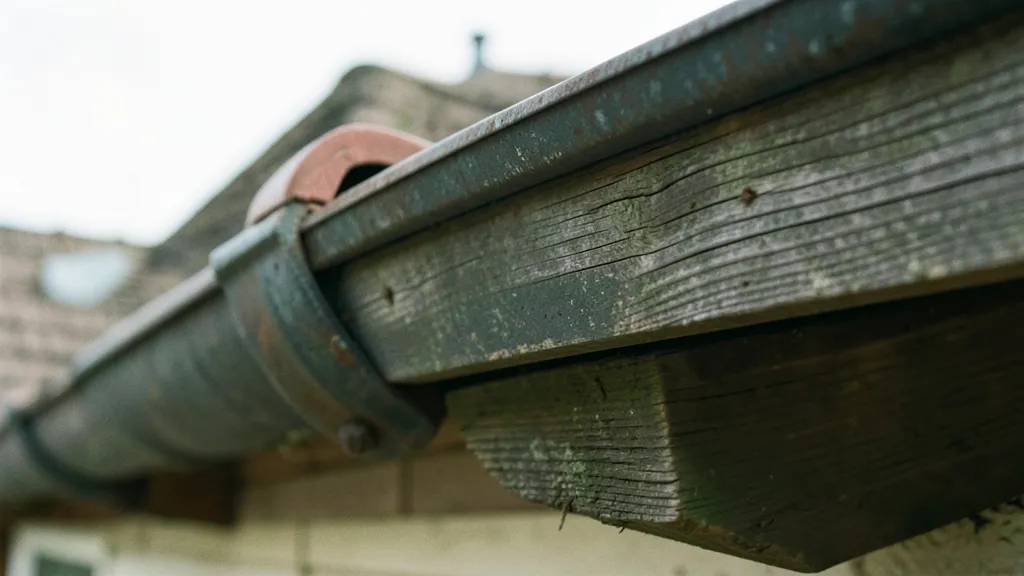
Clogged gutters don’t always scream for attention—until they’re causing real damage. We see it every season in Clayton: subtle signs that turn into costly problems if ignored. Here’s how to catch them early, before water starts working against your home.
Visible Debris Is the First Red Flag
If you can see leaves, twigs, or pine needles spilling over the edges, your gutters are already past due. Even a thin layer of debris blocks water flow, forcing it to pool or spill where it shouldn’t.
In our area, oak and pine trees shed year-round, so regular checks are a must. Don’t wait for the next big storm to reveal the problem.
Even fine granular debris from shingles can clog downspouts over time. If left unchecked, it accelerates rust and corrosion.
Water Isn’t Draining—It’s Overflowing
During rain, watch your gutters from the ground. If water pours over the sides like a waterfall, you’ve got a clog. Properly functioning gutters should channel water smoothly to downspouts.
Overflow can also indicate improper slope or damaged sections. We often find these issues in older homes around Garner and Smithfield, where gutters have settled over the years.
Stains, Mildew, or Peeling Paint on Exterior Walls
Water spilling behind the gutter can leave dark stains on siding or fascia. Over time, this moisture leads to mildew growth or peeling paint—clear signs your gutters aren’t doing their job.
These issues are especially common on the north and west sides of homes in Clayton, where shade and prevailing winds deposit more debris.
Poor drainage can erode soil near your foundation, leading to cracks or shifting. A quick walk around your home after rain can reveal trouble spots.
Sagging Gutters or Separated Seams
Gutters pulling away from the roof or sagging in sections usually mean they’re weighed down by trapped debris and standing water. The extra weight can bend or break hangers, worsening the problem.
Seam separation is another culprit. If you notice gaps where gutter sections meet, water will leak through, damaging the fascia and roof edge.
Pests Love Clogged Gutters
Standing water and decaying leaves create the perfect breeding ground for mosquitoes, while birds, squirrels, and even rodents may nest in the debris. If you’re seeing more pests around your roof, your gutters might be the reason.
We’ve pulled out wasp nests and rodent droppings from gutters in Wilson’s Mills and Archer Lodge—proof that regular cleaning is as much about pest control as it is about water management.
Pest Signs in Your Gutters
- Visible nests or droppings near the roof
- Increased mosquito activity after rain
- Chewed or damaged gutter edges
Downspouts Aren’t Doing Their Job
If water isn’t shooting out the bottom of your downspouts during rain, there’s likely a clog inside. Downspout clogs are sneaky—they can form deep in the pipe, out of sight.
A simple test: run a hose into the downspout. If water backs up or drips from the seams, it’s time for a cleaning. For homes in Selma and Smithfield, we often find clogs at the elbow joints, where debris gets stuck.
Seasonal Triggers in Clayton’s Climate
Our humid summers and stormy falls mean gutters fill up fast. Spring pollen can even create a sticky sludge that traps smaller debris, while winter ice dams can bend or break gutters if they’re already clogged.
After heavy storms or wind events, it’s smart to do a quick visual check. Preventative cleaning before winter and after fall leaf drop can save you from costly repairs.
| Season | Primary Debris | Biggest Risk |
|---|---|---|
| Spring | Pollen, seed pods | Clogs in downspouts, sticky buildup |
| Summer | Leaf litter, twigs | Mosquito breeding, overflow |
| Fall | Oak leaves, pine needles | Heavy clogs, sagging gutters |
| Winter | Ice, frozen debris | Ice dams, gutter damage |
When to Call a Pro vs. DIY
If your home is single-story and you’re comfortable on a ladder, you might tackle light debris yourself. But for two-story homes, steep roofs, or severe clogs, it’s safer and more effective to call in professionals.
We also recommend pro cleaning if you have gutter guards—improper cleaning can damage them. And if you spot signs of damage, like rust or separated seams, a pro can address those during the cleaning.
Even with guards, fine debris can accumulate on top or in the gutters. They reduce frequency but don’t eliminate the need for cleaning.
How to Safely Inspect Your Gutters
A quick inspection can reveal problems before they escalate—here’s how to do it right.
- 1Start from the Ground
Walk around your home and look for visible debris, sagging sections, or water stains on the siding. Use binoculars if needed.
- 2Check Downspouts
Ensure they’re securely attached and free of dents. Tap them lightly—if they sound hollow, they’re likely clear; a dull thud may indicate a clog.
- 3Look for Overflow Marks
After rain, check for water marks or erosion below the gutters. These are signs of overflow or improper drainage.
- 4Inspect the Roof Edge
From a safe distance, look for water damage or peeling paint on the fascia and soffit. These areas are often the first to show gutter-related issues.
- 5Test with a Hose
If it’s safe, use a hose to simulate rain. Watch how water flows—or doesn’t—through the gutters and downspouts.
Frequently Asked Questions
How often should gutters be cleaned in Clayton?
Most homes need cleaning twice a year—once in late fall after leaf drop and once in spring. If you have heavy tree cover or frequent storms, consider three to four times annually. Request a quote to assess your specific needs.
Can clogged gutters cause roof damage?
Absolutely. Trapped water can seep under shingles, leading to rot, leaks, or even structural damage to the roof deck. Over time, this can shorten your roof’s lifespan significantly.
What’s the difference between gutter cleaning and gutter repair?
Cleaning removes debris to restore proper water flow. Repair addresses damage like leaks, sagging, or separated seams. Often, we find issues during cleaning that require repair to prevent future problems.
Do I need gutter guards if I clean my gutters regularly?
Gutter guards reduce the frequency of cleaning by blocking large debris, but they don’t eliminate the need entirely. Fine particles can still accumulate, and guards themselves require maintenance. They’re a great addition but not a replacement for cleaning.
Why do my gutters overflow even after cleaning?
Overflow after cleaning usually points to improper slope, clogged downspouts, or damaged gutters. In some cases, the system may be undersized for your roof’s pitch or local rainfall. A professional inspection can identify the root cause.
Is gutter cleaning necessary for commercial properties in Clayton?
Yes, especially for properties with large roof surfaces or flat roofs. Commercial gutters handle more water and debris, and clogs can lead to costly water intrusion or damage to the building’s exterior. Regular maintenance is key to protecting your investment.