How to Reinforce Weak Gutter Sections in Clayton
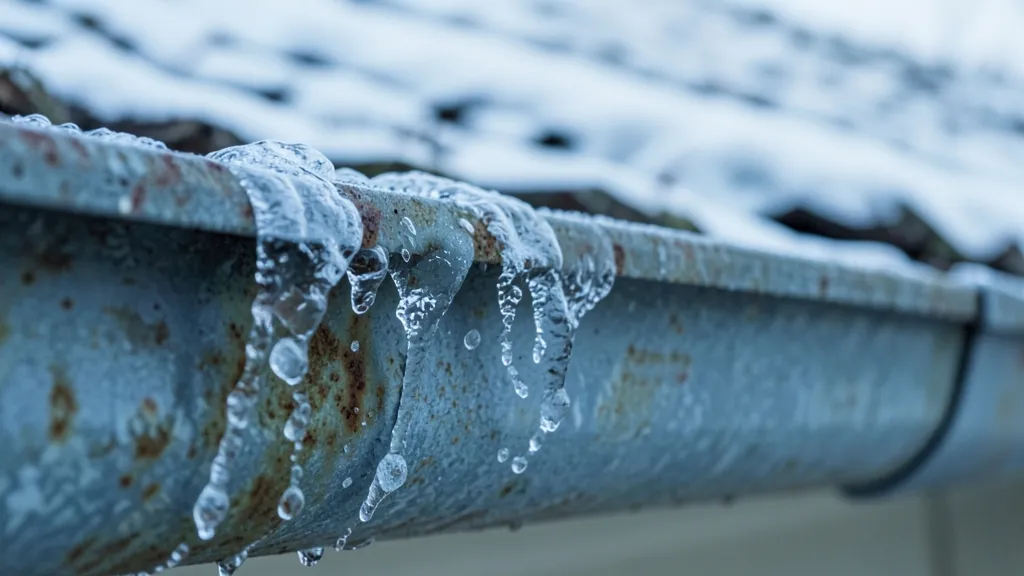
Weak or sagging gutters don’t just look bad—they fail when Clayton’s heavy spring rains or summer storms hit. Left unchecked, they pull away from the fascia, dump water near your foundation, and accelerate roof edge damage. Here’s how we reinforce them the right way, using trade-proven methods for lasting performance.
Signs Your Gutters Need Reinforcement
Sagging sections between hangers are the most obvious red flag. If the gutter dips or bends under its own weight—especially after a downpour—it’s overloaded or improperly supported.
Look for gaps where the gutter meets the fascia. Separation often means the hangers have pulled loose or the wood behind is rotting from trapped moisture.
Rust streaks, peeling paint, or water stains on the fascia or soffit signal chronic leaks. These issues often start small but worsen fast in our humid North Carolina climate.
Even minor sagging can create low spots that collect debris and water. Over time, this extra weight can pull the entire run down, requiring a full rehang.
Common Causes of Weak Gutters in Our Area
Clayton’s clay-heavy soil shifts with freeze-thaw cycles, which can subtly tilt the fascia and misalign gutters. This throws off the slope needed for proper drainage.
Older homes often have spike-and-ferrule hangers that loosen over time. These were standard for decades but aren’t up to modern weight loads, especially with today’s larger gutter profiles.
Debris buildup from oak and pine trees is a year-round issue here. Clogged gutters retain water, adding hundreds of pounds of stress to weak sections and speeding up corrosion.
Gutter Hanger Types: Strengths and Weaknesses
Not all hangers are created equal. The right choice depends on your gutter material, roof style, and local conditions like wind and debris load.
| Hanger Type | Best For | Load Capacity | Durability |
|---|---|---|---|
| Spike & Ferrule | Traditional systems, lightweight gutters | Low | Prone to loosening; not ideal for heavy gutters |
| Hidden Hangars (Inside Mount) | Aluminum/steel gutters, high-wind areas | High | Strongest option; no visible hardware |
| Strap Hangars | Copper gutters, historic homes | Medium-High | Corrosion-resistant; aesthetic appeal |
| Bracket Hangars (Outside Mount) | Vinyl gutters, DIY repairs | Medium | Easy to install; less secure in storms |
| T-Bar Hangars | Commercial gutters, long runs | Very High | Heavy-duty; used for large-capacity systems |
Step-by-Step Reinforcement: Tools and Prep
Start with a thorough inspection from the ground and, if safe, a ladder. Note every sag, separation, or damaged hanger. Check the fascia for rot—soft or discolored wood must be addressed first.
Gather the right tools: a sturdy ladder (fiberglass for electrical safety), work gloves, a pry bar, drill/driver, tin snips, and replacement hangers. For aluminum gutters, use aluminum-compatible screws to prevent galvanic corrosion.
If the fascia is compromised, we often sister a new board alongside the old one or replace the section entirely. Skipping this step means new hangers won’t hold.
Pre-Reinforcement Safety Check
- Inspect ladder for stability and proper angle (1:4 ratio)
- Wear non-slip shoes and secure the ladder to the gutter or roof
- Use a harness for roofs steeper than 4:12 pitch
- Check for overhead power lines before positioning the ladder
- Work with a partner for long runs or high roofs
Replacing Failed Hangers with Hidden Hangars
Hidden hangars are our go-to for most Clayton homes. They clip inside the gutter channel, providing support without visible hardware. This distributes weight evenly and resists uplift in windy conditions.
To install, remove the old hanger by prying the spike out or unscrewing the bracket. Slide the hidden hangar into the gutter channel, then secure it to the fascia with stainless steel screws—spaced every 24 inches for standard gutters, 18 inches for heavy-duty systems.
For copper gutters, use copper or stainless steel hangers to avoid dissimilar metal reactions. In Garner or Smithfield, where historic homes are common, we often match the original strap-style hangers for aesthetic consistency.
Add an extra hanger within 6 inches of every end cap, downspout outlet, and inside corner. These are high-stress points where gutters are most likely to fail.
Addressing Fascia Damage Before Rehanging
Rotted fascia won’t hold any hanger securely. We see this often in older neighborhoods like downtown Clayton or Wilson’s Mills, where gutters may have leaked for years.
Cut out the damaged section with a circular saw, then install a pressure-treated replacement board. Use galvanized or stainless steel screws to avoid rust stains. For minor rot, a wood hardener and epoxy filler can buy time, but full replacement is the long-term fix.
Seal the new fascia with a quality primer and paint to protect against future moisture. This step is critical in our humid summers, when dew and condensation can accelerate decay.
Resloping Gutters for Proper Drainage
Even reinforced gutters won’t work if the slope is off. The standard pitch is 1/4 inch of drop per 10 feet of run. Anything less, and water pools; anything more, and gutters can overflow during heavy rains.
Use a line level and chalk string to mark the correct slope from the high end to the downspout. Reattach hangers along this line, adjusting as needed. In areas like Archer Lodge, where homes sit on slight hills, we sometimes adjust the slope to account for the natural grade.
For long runs over 40 feet, consider adding an additional downspout to prevent overloading. This is common on large roofs or commercial buildings in Selma or Smithfield.
When to Call in the Pros for Gutter Reinforcement
If your gutters are severely sagging, pulling away from the roof, or showing signs of widespread corrosion, DIY fixes may not be enough. We’ve seen well-intentioned repairs in Clayton that only masked deeper issues, leading to costly water damage down the line.
Multi-story homes or those with steep roofs require specialized equipment and safety training. In these cases, it’s safer and more effective to bring in a local gutter specialist. We also handle gutter guard installation, downspout repairs, and full resealing to prevent future problems.
For commercial properties or large residential systems, professional reinforcement ensures compliance with local building codes. This is especially important for businesses in Garner or Smithfield, where gutter failure can disrupt operations.
How to Install Hidden Gutters Hangars for Reinforcement
Hidden hangars provide the strongest support for sagging gutters and blend seamlessly with your system.
- 1Remove the Old Hanger
Use a pry bar to carefully lift the gutter and remove the old spike-and-ferrule or bracket hanger. Avoid bending the gutter channel.
- 2Position the Hidden Hanger
Slide the hidden hangar into the gutter channel at the marked location. Ensure the front lip hooks under the gutter’s front edge.
- 3Secure to the Fascia
Drive a stainless steel screw through the hangar’s back plate into the fascia. Use a level to confirm the gutter remains properly sloped.
- 4Reattach the Gutter
Lower the gutter back into place, ensuring it snaps securely into the hangar. Check for gaps or misalignment.
- 5Test the Slope
Run a hose along the gutter to verify water flows toward the downspout without pooling. Adjust hangers as needed.
Frequently Asked Questions
How often should gutters be reinforced in Clayton’s climate?
Most gutters need reinforcement every 10–15 years, but factors like debris load, storm exposure, and hanger quality can shorten this. Homes near wooded areas in Archer Lodge or Wilson’s Mills may need attention sooner due to heavier debris buildup.
Can I reinforce my gutters without replacing the fascia?
If the fascia is solid and free of rot, you can reinforce gutters with new hangers. However, if the wood is soft or crumbling, replacing the fascia first is essential—otherwise, the new hangers won’t hold.
What’s a suitable hanger for aluminum gutters in high-wind areas?
Hidden hangars are the top choice for aluminum gutters in windy conditions. They provide superior uplift resistance and distribute weight evenly, which is critical for homes in open areas like the outskirts of Clayton or Garner.
How do I know if my gutters need resloping?
Standing water in the gutters or overflow during rain are clear signs of improper slope. Use a level to check the pitch—if it’s less than 1/4 inch per 10 feet, resloping is necessary.
Are there temporary fixes for sagging gutters?
For a short-term solution, you can add extra bracket hangers at the sagging points. However, this is only a band-aid. Hidden hangars or fascia repair are the permanent fixes we recommend.
Do gutter guards affect reinforcement needs?
Gutter guards reduce debris buildup, which can extend the life of your hangers and fascia. However, they add weight to the system, so we often reinforce gutters with closer hanger spacing when installing guards, especially in areas with heavy oak or pine debris.