How Gutter Condition Impacts Cleaning Costs for Clayton Properties
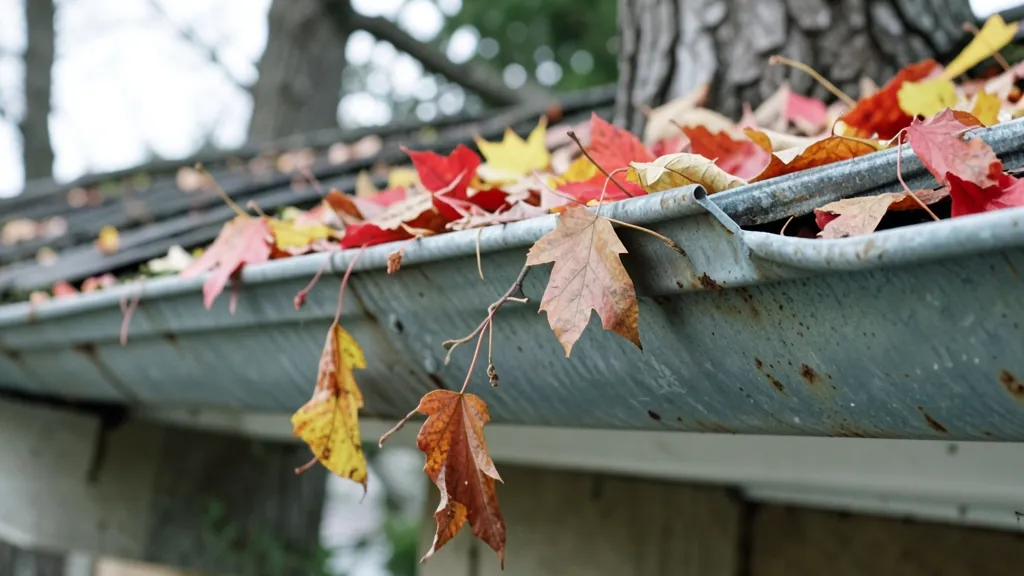
Gutter cleaning isn’t a one-size-fits-all service. The state of your system—age, material, pitch, and even Clayton’s seasonal debris—directly shapes the time, effort, and tools we need. That means costs vary widely, even between neighbors. We break down the real factors so you know what to expect before we arrive.
Why Gutter Condition Changes the Price
Clean gutters in good repair take minutes per linear foot. Clogged, sagging, or damaged systems can double or triple the labor.
Pine needles and oak pollen in our area pack tight, requiring specialized tools to clear without damaging gutters or downspouts.
Rust, sealant failure, or misaligned pitch often mean we must halt cleaning to perform minor repairs before we can safely finish the job.
Gutter Materials and Their Cleaning Quirks
Aluminum gutters dent easily under pressure, so we use softer brushes and lower PSI washers to avoid costly damage.
Vinyl gutters flex in heat and cold, which can loosen hangers; we check for instability before climbing ladders.
Copper gutters develop a patina that protects them, but abrasive cleaning can strip it. We use pH-neutral cleaners to preserve the finish.
| Material | Durability | Cleaning Sensitivity | Cost Impact |
|---|---|---|---|
| Aluminum | High | Moderate (dent risk) | Low to Moderate |
| Vinyl | Low | High (flex/brittle) | Moderate to High |
| Steel (Galvanized) | Moderate | Low (sturdy) | Low |
| Copper | Very High | Very High (patina care) | High |
Pitch, Slope, and Accessibility Challenges
Gutters with improper pitch hold water and debris, forcing us to re-clean sections or adjust slopes on the spot.
Multi-story homes or steep roofs in neighborhoods like Archer Lodge require extended ladders, lifts, or safety harnesses, adding time.
Tight roof overhangs or dense landscaping can limit ladder placement, increasing the need for specialized equipment.
We never compromise on safety. If access is unsafe, we’ll recommend temporary solutions or reschedule until conditions improve.
Seasonal Debris in Clayton and Surrounding Areas
Spring brings oak pollen that cakes gutters, while fall drops leaves that mat down and trap moisture against Garner and Smithfield homes.
Pine needles from loblolly and longleaf pines are year-round nuisances, clogging downspouts and creating fire hazards in dry spells.
Winter ice dams, though rarer here than up north, can still form after cold snaps, requiring careful thawing to prevent gutter tears.
Downspouts and Hidden Cost Drivers
Clogged downspouts are a leading cause of overflow and water damage. We often find nests, pine cones, or compacted leaves deep in the elbows.
Underground drains tied to downspouts can back up, flooding basements in Wilson’s Mills. We inspect these connections during every cleaning.
Corroded or detached downspouts may need reattachment or replacement before we can ensure proper drainage.
Installing downspout screens or gutter guards reduces clogs, but they still need annual checks to stay effective.
When Cleaning Turns into Repair
If we spot sagging sections, we’ll re-pitch or reinforce hangers to restore flow. This adds time but prevents future water damage.
Rust spots or sealant gaps often require scraping, priming, and resealing. We carry matching materials to blend repairs seamlessly.
Storm damage—like dented gutters after Selma’s summer hail—may need section replacement. We’ll flag it and provide a separate repair estimate.
Signs Your Gutters Need Repair, Not Just Cleaning
- Visible sagging or pulling away from the fascia
- Rust streaks or holes in the trough
- Water marks or peeling paint beneath the gutters
- Downspouts that leak at the seams
- Standing water in gutters 24+ hours after rain
Commercial vs. Residential Differences
Commercial buildings often have box gutters or larger K-style systems that handle more volume but are harder to access safely.
Flat roofs on warehouses in Smithfield or retail spaces in Garner collect debris faster, requiring more frequent service cycles.
We use boom lifts or scaffolding for tall structures, which changes the cost structure compared to residential ladder work.
How to Keep Costs Predictable Year After Year
Scheduling bi-annual cleanings—spring and fall—prevents the heavy buildup that drives up labor time.
Adding gutter guards reduces frequency but doesn’t eliminate the need for inspections, especially after storms.
Regular roof and gutter inspections catch small issues before they turn into costly repairs or replacements.
How to Inspect Your Gutters for Cost-Impacting Issues
A quick visual check can reveal problems that may increase your cleaning or repair costs.
- 1Check for Sagging
Walk the perimeter of your home. Look for gutters that dip or pull away from the fascia. Use a level if unsure.
- 2Look for Rust or Holes
Scan for orange streaks, white chalking (aluminum oxidation), or pinprick holes, especially near seams.
- 3Test Downspout Flow
Run a hose into the gutters. If water doesn’t exit the downspout within seconds, there’s likely a clog.
- 4Inspect the Ground Below
Check for erosion, puddles, or staining directly under downspouts—signs of improper drainage.
- 5Assess Roof Overhangs
Note if tree branches hang over the roof. Heavy foliage means more frequent debris buildup.
Frequently Asked Questions
Does gutter guard installation reduce long-term cleaning costs in Clayton?
Yes, but it’s not a set-it-and-forget-it solution. Guards reduce debris volume, but pine needles and pollen can still accumulate on top. We recommend annual inspections to clear surface buildup and check for gaps.
Why do some Clayton homes need gutter cleaning more often than others?
Proximity to trees (especially pines and oaks), roof pitch, and wind patterns play huge roles. Homes in wooded areas like Archer Lodge or near farmland often need 3–4 cleanings yearly.
Can damaged gutters be cleaned, or do they need repair first?
It depends. Minor issues like loose hangers or small rust spots can often be addressed during cleaning. Severe sagging, large holes, or detached downspouts require repair first to avoid further damage.
How does gutter pitch affect cleaning costs?
Improper pitch causes water and debris to pool, making gutters harder to clean thoroughly. We may need to re-pitch sections during service, which adds labor time.
Do you offer gutter cleaning after storms in Clayton?
After heavy storms, clogged gutters can lead to roof leaks or foundation issues, and we prioritize calls to prevent water damage, especially in low-lying areas prone to flooding.
What’s the difference between gutter cleaning and a roof and gutter inspection?
Cleaning focuses on removing debris. An inspection checks for leaks, rust, pitch, hanger integrity, and downspout function. We often combine both to give you a full picture of your system’s health.