Drought in Clayton: Why Gutter Cleaning Still Matters Even When It’s Dry
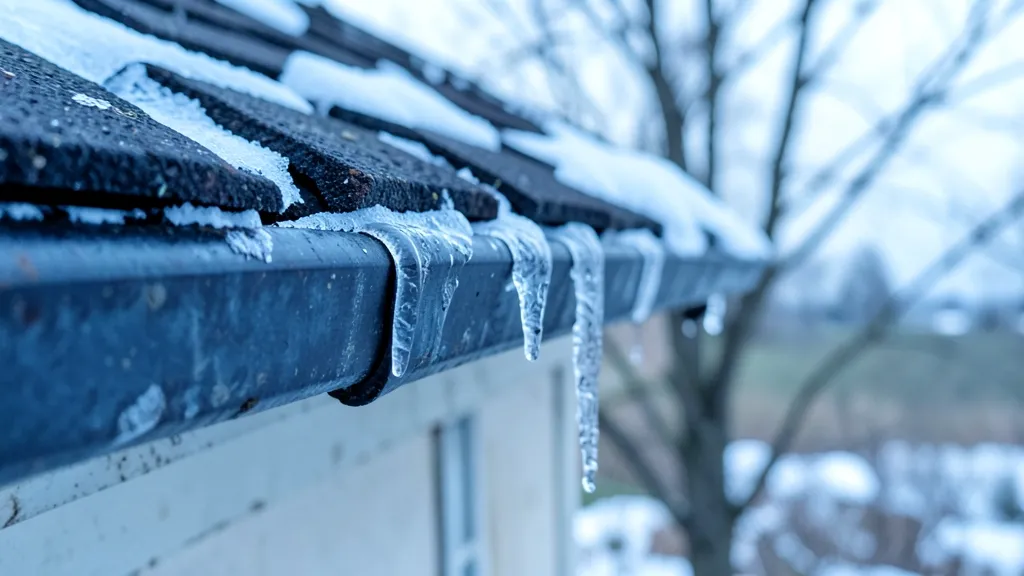
Drought conditions in Clayton might make gutter cleaning feel unnecessary, but dry spells create unique risks. Without rain to flush them, gutters accumulate debris that can spark fires, attract pests, or cause structural damage when the next storm hits.
Why Drought Doesn’t Give Your Gutters a Pass
Less rain means debris like pine needles, oak leaves, and seed pods sit longer in your gutters. These materials dry out, becoming highly flammable—especially in Clayton’s hot, dry summers.
Clogged gutters also trap moisture against your roof and fascia, accelerating rot. Even in drought, morning dew or humidity can create the perfect environment for mold and wood decay.
The Hidden Fire Risk in Clayton’s Dry Seasons
Dry, packed gutter debris acts like kindling. A stray ember from a grill, fire pit, or even a neighbor’s burn pile can ignite it, putting your home at risk.
This risk is heightened in wooded neighborhoods near Garner or Archer Lodge, where wind can carry embers. Clean gutters remove this fuel source entirely.
Never ignore dry, compacted gutter debris during drought. A single spark can turn clogged gutters into a fire ladder to your roof.
Pests Love Drought-Stressed Gutters Too
Stagnant, dry debris attracts rodents, insects, and even snakes seeking shelter. Mosquitoes may also breed in trapped water from condensation or minor leaks.
Once pests move in, they can chew through fascia or soffit, or even enter your attic. Regular cleaning disrupts their habitat before they become a bigger problem.
Drought vs. Storms: The One-Two Punch for Gutters
Clayton’s weather swings from dry spells to sudden downpours. When heavy rain finally arrives, clogged gutters can’t handle the volume, leading to overflow and water damage.
This overflow can erode landscaping, damage foundations, or flood basements. Clean gutters ensure water is directed safely away—even after months without rain.
| Condition | Risk to Gutters | Solution |
|---|---|---|
| Prolonged dry spells | Debris accumulation, fire risk | Regular cleaning, gutter guards |
| Sudden heavy rain after drought | Overflow, water damage | Pre-storm inspection and cleaning |
| Morning dew/high humidity | Moisture trapping, rot | Ensure proper slope and sealing |
Gutter Guards: A Smart Investment for Clayton Homes
Gutter guards reduce debris buildup, but they’re not maintenance-free. Pine needles in Clayton can still cling to mesh or screen guards, requiring occasional cleaning.
We recommend guards for homes surrounded by trees in areas like Wilson’s Mills or Smithfield. They’re especially useful for hard-to-reach second-story gutters.
Even with guards, schedule annual inspections. Small debris can still enter, and guards themselves may need readjustment or repair.
Signs Your Gutters Need Attention—Even in a Drought
Look for sagging sections, which often indicate trapped debris or standing water. Also check for gaps, rust, or peeling paint on fascia—signs of moisture damage.
If you notice birds or pests nesting in your gutters, it’s a clear sign they’re clogged. Don’t wait for rain to reveal the problem.
Drought-Season Gutter Red Flags
- Visible debris or nesting materials in gutters
- Sagging or pulling away from the roof
- Rust, peeling paint, or water stains on fascia/soffit
- Pests or insects near the roofline
- Downspouts disconnected or clogged
DIY vs. Professional Gutter Cleaning in Clayton
DIY cleaning can work for single-story homes with easy roof access. However, Clayton’s tall pines and steep roofs often make professional service safer and more thorough.
Our team uses specialized tools to clear downspouts, reseal leaks, and inspect for hidden damage. We also serve nearby areas like Selma and Smithfield, where similar conditions apply.
Long-Term Gutter Care for Clayton’s Climate
Beyond cleaning, consider resealing or resloping gutters to improve drainage. This is especially important for older homes where gutters may have shifted over time.
Schedule a roof and gutter inspection after drought periods. This proactive step can catch minor issues before they turn into costly repairs.
How to Inspect Your Gutters During a Drought
A quick visual check can reveal hidden problems before they worsen.
- 1Safety First
Use a sturdy ladder and have a spotter. Avoid leaning the ladder against gutters, as they may not support your weight.
- 2Check for Debris
Look inside gutters for leaves, pine needles, or other buildup. Even small amounts can indicate a clog forming.
- 3Test Downspouts
Use a hose to flush a small amount of water into the downspout. If it doesn’t flow freely, there’s likely a blockage.
- 4Inspect for Damage
Look for rust, cracks, or gaps in the gutter seams. Also check for water stains or rot on the fascia and soffit.
- 5Assess Slope and Alignment
Gutters should slope slightly toward downspouts. Use a level to check; adjust hangers if needed.
Frequently Asked Questions
Do I really need to clean my gutters if it hasn’t rained in months?
Absolutely. Dry debris is a fire hazard and can trap moisture from dew or humidity, leading to rot. Plus, when rain does come, clogged gutters can’t handle the sudden volume.
How often should Clayton homeowners clean their gutters?
Most homes need cleaning twice a year—once in spring and once in fall. If you have a lot of trees, like in Archer Lodge or Wilson’s Mills, consider more frequent cleanings or gutter guards.
Can clogged gutters cause roof damage even without rain?
Yes. Trapped debris holds moisture against your roof, leading to shingle deterioration, leaks, or even structural damage to the roof decking over time.
How can you prevent gutter clogs in Clayton’s dry climate?
Regular cleaning is key, but gutter guards can significantly reduce debris buildup. Also, trim overhanging branches to limit the amount of leaves and needles falling into your gutters.
Are there any special considerations for commercial gutter cleaning in Clayton?
Commercial buildings often have larger roof areas and more complex gutter systems. These require specialized equipment and safety protocols, especially for multi-story structures in areas like downtown Smithfield or Selma.
What should I do if I notice damage during my gutter inspection?
Minor issues like small leaks can sometimes be fixed with sealant, but sagging, rusted, or detached gutters typically require professional repair or replacement. Request a quote to assess the extent of the damage.