Clayton’s Mosquito Problem: How Clogged Gutters Are Making It Worse
Clayton’s warm, humid summers create the perfect breeding ground for mosquitoes—and clogged gutters are a major contributor. We see it every season: blocked downspouts and trapped debris turn your roof’s drainage system into a stagnant water reservoir, inviting swarms right to your doorstep.
Why Clogged Gutters Attract Mosquitoes in Clayton
Mosquitoes lay eggs in standing water, and a clogged gutter holds that water for days or even weeks. In our area’s humid climate, even a small blockage can create a thriving mosquito nursery within 24–48 hours.
Organic debris like leaves, pine needles, and seed pods trap moisture, creating an ideal environment. The more debris, the longer the water sits—and the more mosquitoes multiply.
The Hidden Costs of Ignoring Gutter Clogs
Beyond mosquitoes, clogged gutters cause overflow that damages fascia, soffits, and even your foundation. Water pooling near your home’s base can lead to costly repairs in Garner or Smithfield just as easily as in Clayton.
Overflow also erodes landscaping and creates slippery, unsafe walkways. In severe cases, ice dams in winter can form from trapped water, adding another layer of risk.
Once mosquitoes breed in your gutters, they’ll spread to your yard, patio, and even inside. Proactive cleaning breaks the cycle before it starts.
How Gutters Become Mosquito Magnets
It starts with a single leaf or twig. Over time, debris builds up, especially in fall and spring. Clayton’s oak and pine trees shed year-round, accelerating clogs.
Downspouts are the final bottleneck. If they’re blocked, water backs up into the gutter trough, creating a shallow, stagnant pool—perfect for mosquito larvae.
| Debris Type | Season | Mosquito Risk |
|---|---|---|
| Oak leaves, acorns | Fall | High |
| Pine needles | Year-round | High |
| Seed pods, pollen | Spring | Moderate |
| Dirt, shingle grit | Summer storms | Low-Moderate |
Signs Your Gutters Are Breeding Mosquitoes
If you notice more mosquitoes near your roofline or around downspouts, your gutters may be the source. Standing water or sagging sections are red flags.
Check for overflow during rain—water spilling over the sides instead of draining means clogs are present. In Archer Lodge or Wilson’s Mills, heavy tree cover makes this even more likely.
Quick Gutter Inspection Checklist
- Visible debris in gutter troughs
- Water spilling over gutter edges
- Sagging or pulling gutters
- Mosquitoes hovering near the roof
- Stains or mildew on siding below gutters
Why DIY Gutter Cleaning Often Falls Short
Ladder work is dangerous, especially on two-story homes common in Clayton. Many homeowners miss hidden clogs in downspouts or fail to clear debris from valley areas.
Without proper tools, you might push debris further into the system, worsening the blockage. Professional gutter cleaning ensures thorough removal and a full downspout flush.
If you attempt DIY cleaning, use a stable ladder, gloves, and eye protection. Never lean the ladder against the gutters themselves—they’re not designed to support weight.
How Professional Gutter Cleaning Solves the Problem
We don’t just remove debris—we inspect for damage, reseal leaks, and ensure proper slope so water flows freely. This prevents future clogs and mosquito hotspots.
For homes in Selma or Smithfield with dense tree cover, we recommend semi-annual cleanings. Gutter guards can also reduce debris buildup, but they still require occasional maintenance.
Long-Term Solutions to Keep Mosquitoes Away
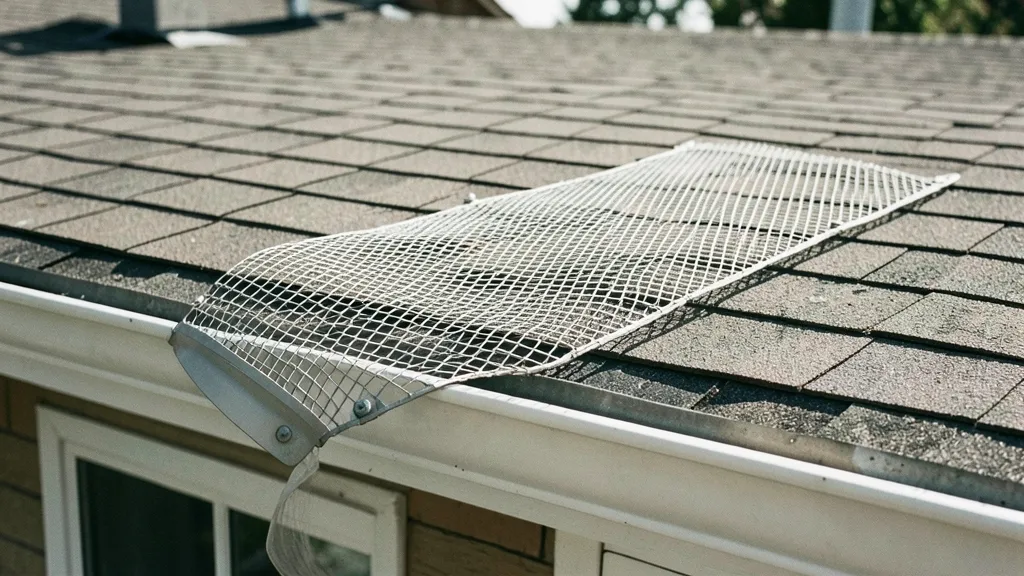
Gutter guards reduce debris entry but aren’t foolproof. Regular inspections catch small issues before they escalate. In Clayton’s climate, a combination of guards and seasonal cleanings works best.
Downspout extensions direct water farther from your foundation, reducing standing water risks. Pair this with yard treatments for a comprehensive mosquito defense.
How to Reduce Mosquito Breeding in Your Gutters
A few proactive steps can significantly cut down on mosquito activity around your home.
- 1Inspect Gutters Monthly
Look for debris, sagging, or overflow during rain. Early detection prevents major clogs.
- 2Clear Debris After Storms
Heavy winds in Clayton can dump leaves and branches quickly. Remove them before water pools.
- 3Flush Downspouts
Use a garden hose to flush downspouts from the top. If water doesn’t flow freely, the downspout is clogged.
- 4Trim Overhanging Branches
Reduce debris by cutting back tree limbs that hang over your roof. This limits what falls into gutters.
- 5Schedule Professional Cleanings
Twice-yearly cleanings ensure thorough debris removal and system checks. Request a quote to fit your home’s needs.
Frequently Asked Questions
How often should I clean my gutters in Clayton to prevent mosquitoes?
We recommend at least twice a year—once in spring and once in fall. Homes with heavy tree cover in areas like Garner or Archer Lodge may need quarterly cleanings to stay ahead of debris buildup.
Can gutter guards completely stop mosquitoes?
Gutter guards reduce debris and standing water, but they’re not 100% effective. Fine debris can still accumulate, and guards themselves can trap moisture if not maintained. Pair them with regular cleanings for best results.
What’s the fastest way to tell if my gutters are clogged?
Watch your gutters during rain. If water overflows the sides instead of draining through downspouts, you’ve got a clog. Sagging gutters or visible debris are also clear signs.
Do mosquitoes only breed in gutters with visible standing water?
No. Even small amounts of trapped moisture in debris can breed mosquitoes. A clog doesn’t need to create a visible pool—just enough water to sustain larvae for a week.
Will cleaning my gutters help with other pests besides mosquitoes?
Absolutely. Clogged gutters also attract rodents, birds, and insects like termites or carpenter ants. Keeping them clean removes a major pest magnet from your home.
Is gutter cleaning enough, or do I need repairs too?
Cleaning addresses clogs, but if your gutters are damaged, misaligned, or improperly sloped, they’ll clog faster. We often find that gutter repair or resealing is needed to prevent recurring issues.