Clog-Free Gutters in Clayton: The Best Gutter Guard Solutions
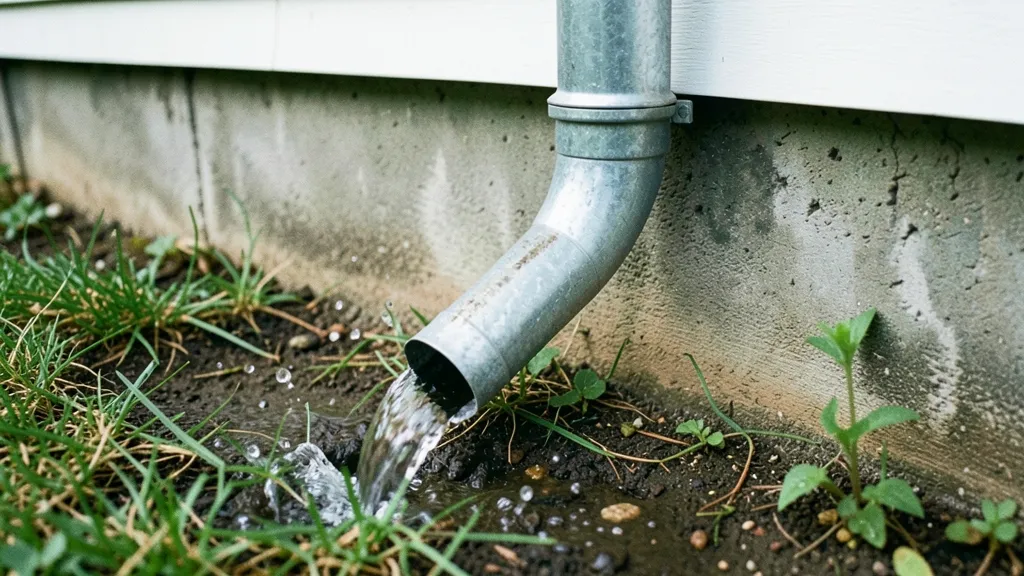
Clayton’s humid summers and stormy falls turn gutters into debris traps faster than most homeowners expect. The right gutter guard system can slash maintenance time and prevent water damage, but not all solutions fit every roof or budget. We break down the best options for local conditions.
Why Clayton Homes Need Gutter Guards Year-Round
Our region’s mix of pine needles, oak leaves, and sudden downpours means gutters fill fast. Without protection, clogs lead to overflow, foundation erosion, and even roof leaks.
Gutter guards act as a first line of defense, reducing cleaning frequency while maintaining proper water flow. They’re especially critical in neighborhoods with mature trees or steep roof pitches.
Types of Gutter Guards: Pros and Cons for Local Conditions
Micromesh screens excel at blocking fine debris like pine needles and shingle grit. They’re ideal for homes in wooded areas of Clayton or nearby Garner.
Reverse curve guards use surface tension to shed leaves while channeling water in. They work well in heavy rain but can struggle with small debris in windy conditions.
Screen and foam guards are budget-friendly but may require more frequent cleaning. Brush guards trap debris on top, which can be a pro or con depending on your maintenance habits.
| Type | Best For | Maintenance Level | Debris Handling |
|---|---|---|---|
| Micromesh | Pine needles, small debris | Low | Excellent |
| Reverse Curve | Heavy rainfall, large leaves | Moderate | Good |
| Screen | Budget-conscious, general use | High | Fair |
| Foam | DIY install, light debris | High | Poor |
| Brush | Easy DIY, seasonal use | Moderate | Fair |
Material Matters: Aluminum, Vinyl, or Steel?
Aluminum guards are lightweight, rust-proof, and a top choice for most Clayton homes. They handle humidity well and won’t corrode under our frequent rain.
Vinyl is affordable and easy to install but can warp in extreme heat or cold. It’s best for temporary solutions or low-impact areas.
Steel offers durability for commercial properties or homes in Archer Lodge and Wilson’s Mills with heavy tree cover. It’s stronger but prone to rust if not galvanized.
Aluminum performs best in Clayton’s climate—resists rust and holds up to temperature swings without warping.
Gutter Guard Installation: DIY vs. Professional
DIY installation works for simple screen or foam guards on single-story homes. However, improper sloping or sealing can create new problems, like water pooling or leaks.
Professional installation ensures proper alignment with your roof’s pitch and existing gutters. We also inspect for hidden issues like loose fascia or damaged downspouts during the process.
For multi-story homes or complex roof lines—common in areas like Smithfield or Selma—hiring pros is safer and more effective long-term.
Never install gutter guards over sagging or damaged gutters. Fix structural issues first to prevent water from bypassing the system entirely.
Maintenance Still Required (But Far Less Often)
Even the best gutter guards need occasional checks. Pine needles can accumulate on top of micromesh, and reverse curve systems may need debris cleared from the nose.
We recommend a quick visual inspection after major storms and a thorough cleaning at least once a year. Homes with heavy tree cover may need semi-annual attention.
Downspouts often clog separately from gutters. Ensure they’re clear to prevent water from backing up under the guards.
Gutter Guard Maintenance Checklist
- Inspect guards for debris buildup after storms
- Check downspouts for blockages or slow drainage
- Verify guards are securely attached and not lifting
- Clean guards at least once per year (twice if under heavy trees)
- Look for signs of rust, warping, or damage
Cost Factors: What Influences Gutter Guard Pricing?
Material choice is the biggest driver—aluminum micromesh costs more upfront than vinyl screens but lasts longer with less maintenance.
Linear footage, roof height, and complexity (e.g., multiple bends or steep pitches) also affect pricing. Homes in Clayton with custom gutter systems may require tailored solutions.
Labor costs vary based on accessibility and whether additional repairs (like resealing or resloping) are needed. Request a quote for an accurate estimate.
Pairing Gutter Guards with Other Services
Gutter guards work best when part of a full system. We often combine installations with gutter repairs, resealing, or resloping to ensure optimal performance.
For older homes in Clayton or nearby Selma, a roof and gutter inspection can uncover hidden issues before they worsen. Storm damage cleanup is another common add-on after heavy weather.
Commercial properties in areas like Garner or Smithfield benefit from heavy-duty guards paired with regular maintenance plans to handle larger roof areas and debris loads.
If your gutters frequently overflow even after cleaning, the issue might be improper slope. Resloping can solve this before installing guards.
How to Choose the Right Gutter Guard for Your Clayton Home
Follow these steps to pick the best system for your needs and budget.
- 1Assess Your Debris
Identify the primary debris in your area—pine needles, large leaves, or shingle grit. This determines whether you need micromesh, reverse curve, or another type.
- 2Evaluate Your Roof and Gutters
Check your roof’s pitch and gutter condition. Steep roofs or damaged gutters may require professional installation or repairs first.
- 3Compare Materials
Aluminum is best for longevity in Clayton’s climate. Vinyl works for temporary or low-budget solutions, while steel suits heavy-duty needs.
- 4Consider Maintenance
Choose a system that matches your maintenance tolerance. Micromesh needs less upkeep than foam or brush guards.
- 5Get a Professional Opinion
Schedule a consultation to confirm your choice and address any underlying gutter issues before installation.
Frequently Asked Questions
Do gutter guards really work in Clayton’s heavy rain?
Yes, but the type matters. Micromesh and reverse curve guards handle heavy rainfall well, while cheaper screens may struggle. Proper installation is key to preventing overflow.
Can I install gutter guards myself?
For single-story homes with simple roof lines, DIY is possible with screen or foam guards. For multi-story homes or complex systems, professional installation ensures safety and effectiveness.
How often should I clean my gutters with guards?
Most systems reduce cleaning to once a year, but homes with heavy tree cover (common in Clayton and Archer Lodge) may need semi-annual checks. Always inspect after major storms.
Will gutter guards prevent ice dams in winter?
Gutter guards help by keeping debris out, but ice dams are primarily caused by poor attic insulation or ventilation. Guards alone won’t solve this—address the root cause first.
Are gutter guards worth the investment for older homes?
Absolutely. Older homes often have more vulnerable gutters and downspouts. Guards extend their lifespan and prevent costly water damage, especially in areas like Wilson’s Mills with mature trees.
What’s the best gutter guard for pine needles in Clayton?
Micromesh guards are the top choice for pine needles. Their fine mesh blocks even the smallest debris while allowing water to flow freely. Reverse curve guards are a secondary option.